





Shopping habits have changed greatly over the past two decades, driven by fast growth in digital technology and internet access. Many people now prefer to shop online because it offers speed and a wide choice of goods from around the world. The rise of online shopping has removed the constraint of consumers visiting online shops at any time of the day, as they can use the internet. As a result, foot traffic in high streets and shopping centres across the United Kingdom has decreased significantly.
Online platforms also provide easy price comparison tools that allow customers to find the best deals quickly. This level of transparency has made it harder for physical shops to compete, especially small independent businesses. Customers often visit a shop to see a product but later buy it online at a lower price. This behaviour has become common and has weakened the role of physical retail spaces.
Rising Costs and Financial Pressure
The cost-of-living increase in the United Kingdom is partly to blame for the demise of physical retailers, as rising costs make it harder for businesses to stay afloat. Rent is a high cost in itself, and on top of that, energy costs have grown nationwide. Additionally, the United Kingdom has rising business rates, which make it a little more challenging for businesses to remain profitable within their margins, even with sufficient sales.
At the same time, wages for employees must keep pace with living costs, which adds another layer of financial strain. Smaller retailers often lack the resources to absorb these expenses, leading to closures or downsizing. Large retail chains also face these challenges, although they may have more resources to manage short-term losses. Despite this, many well-known brands have reduced their physical presence or moved towards online-only models.
Convenience and Speed of Online Shopping
Online shopping provides a unique level of convenience that traditional retailing cannot match, as stores are accessible at any hour of the day via the internet. On these online business shops, orders can be placed within minutes and be delivered shortly after. As online shopping has advanced, delivery times have become more consistent, and overall delivery times have been reduced. The convenience of anytime shopping and fast delivery has played a key role in changing how people shop in the modern era.
Online shopping has become more accessible thanks to the increase in popularity of mobile devices, such as smartphones. The growth of these online devices allowed customers to explore brand catalogues and purchase items whilst on the move or relaxing at home. Online shops have embedded digital payment systems that are secure, ensuring consumer trust.
Not only have regular shops opened online, but so have casinos, too. People who are seeking that form of entertainment no longer have to go to a physical shop; instead, they can play slots online.
Changing High Streets and Urban Spaces
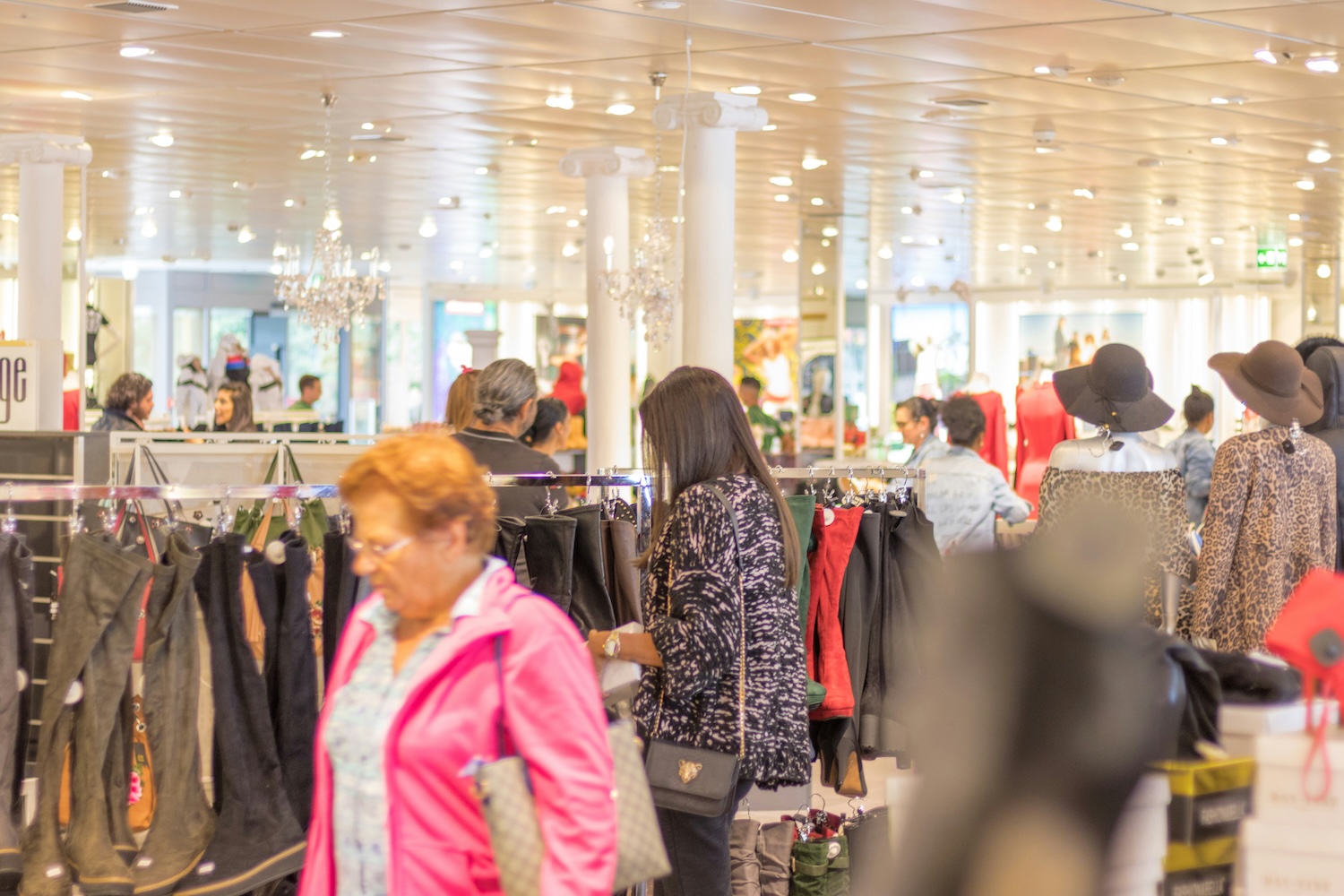
High streets once served as busy social hubs where people gathered to shop, meet friends, and spend leisure time. In recent years, many of these areas have seen a decline in activity due to the closure of retail shops. Empty storefronts have become more common, which can reduce the appeal of these areas for visitors and residents alike.
The Role of Technology and Data
Modern technology allows online retailers to collect and analyse large amounts of customer data. This data helps businesses understand buying habits, preferences, and trends with great accuracy. Retailers can then offer personalised recommendations and targeted promotions that increase the chance of a sale. Physical shops have a limited ability to gather and use such detailed information.
Automation and artificial intelligence also improve stock management and customer service in online environments. These tools reduce costs and improve efficiency, giving online retailers a clear advantage. Physical shops often rely on manual processes that take more time and effort to manage. As technology continues to develop, this gap is likely to grow further.
The Impact of Global Events
Recent global events have accelerated the decline of physical retail shops. During the COVID-19 pandemic, lockdowns and social distancing measures forced many shops to close for extended periods. Consumers turned to online shopping out of necessity, and many continued this habit even after restrictions were lifted. This shift created lasting changes in the retail landscape.
Some businesses adapted by developing strong online platforms, while others were unable to survive the disruption. The pandemic highlighted the importance of flexibility and digital presence in modern retail. Physical shops that relied heavily on foot traffic found it difficult to recover from these sudden changes.
Conclusion
The decline of physical retail shops is the result of several interconnected factors, including rising costs, changing consumer behaviour, and rapid technological progress. Online shopping has reshaped the way people buy goods, offering convenience and choice that physical stores cannot easily match. High streets and shopping centres continue to change as a result, reflecting broader shifts in society.
While some shops will adapt and find new ways to attract customers, many others will close their doors permanently. The retail industry is moving towards a future where digital platforms play a central role, and physical spaces serve a more specialised purpose.