





As the retail sector continues to adapt to shifting consumer expectations, supply chain challenges and the ongoing evolution of personal style, one product category has steadily emerged as a strategic priority across high street stores, online retailers and independent brands. Blank apparel, including garments such as blank hoodies for printing, has become an essential foundation for flexible merchandising, on-demand production models and customisable retail offerings. In 2025, the appeal of blank clothing is not solely about simplicity; it is closely tied to the broader transformations taking place across the fashion and retail industries.
The rise of personalisation and consumer-driven design
One of the most influential forces shaping the retail landscape is the increasing desire for personalisation. Consumers, particularly younger demographics, are placing greater importance on clothing that carries individual meaning or expresses personal identity. Custom-printed, embroidered or otherwise personalised garments have become mainstream, and blank apparel plays a crucial role in enabling this trend.
Retailers are now able to offer customisation services without holding significant quantities of pre-printed stock, reducing the risk associated with forecasting specific designs. Blank garments provide a neutral foundation for a wide variety of styles, messages and custom graphics. They are also valuable for retailers who collaborate with local artists or seasonal designers, allowing for limited-edition prints that can be produced quickly and adapted easily if trends shift.
In-store customisation stations have also grown in popularity. These allow customers to choose designs, colours and placement options on the spot, strengthening engagement and encouraging repeat visits. This type of interactive experience has become particularly relevant as retailers look for ways to differentiate physical shopping environments from online competitors.
A low-risk entry point for independent brands and small retailers
Independent brands and emerging designers have found blank apparel to be a practical starting point for launching clothing lines. Traditional retail models often required new brands to invest heavily in production runs, manage unpredictable stock levels and commit to large minimum orders. Blank garments offer a more flexible alternative: retailers can test designs in small quantities, adapt quickly to feedback and introduce new products without significant upfront costs.
This approach is especially useful for pop-up stores, market stalls and online sellers who rely on agility rather than volume. Blank clothing enables experimentation, allowing retailers to determine which designs resonate without incurring losses from unsold inventory. In 2025, the affordability and practicality of this model have contributed to a rise in micro-brands and niche fashion lines that prioritise creativity and adaptability.
Supporting the growth of print-on-demand retail models
Print-on-demand (POD) has become one of the most transformative developments in fashion retail. Instead of producing printed garments in advance, retailers can create items only after an order has been placed. This dramatically reduces the risk of overproduction, storage costs and waste.
Blank apparel is central to this approach. Retailers can keep a manageable supply of unprinted garments and use digital printing techniques to fulfil orders as needed. This model has proven particularly effective for retailers responding to short-lived trends, social media-driven demand spikes or time-sensitive designs linked to cultural events.
The POD model also supports scalability. Small retailers can operate with limited resources, while larger brands can expand into new design categories without major logistical changes. With sustainable retail practices gaining importance, the waste reduction associated with POD production has made blank apparel even more valuable.
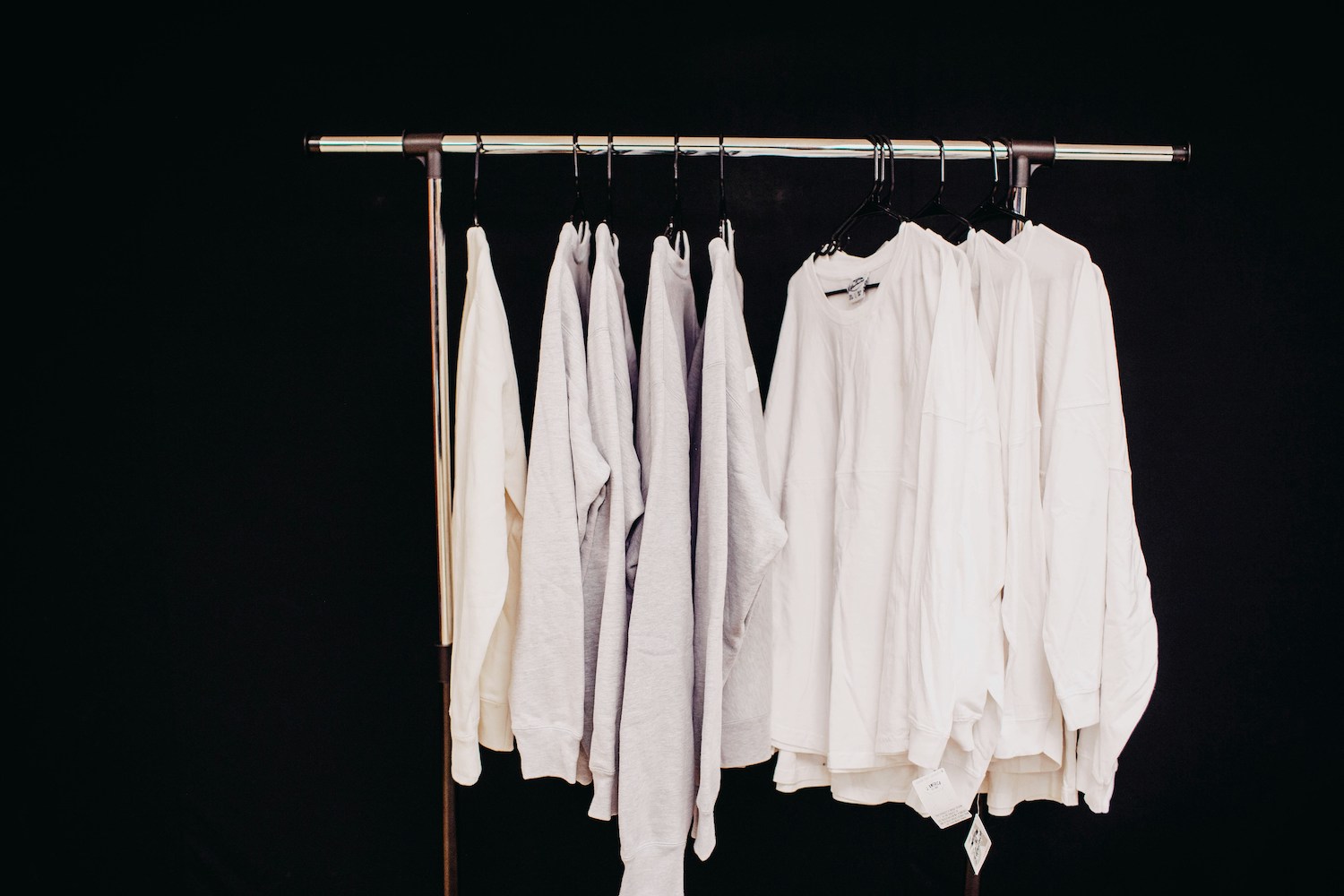
Sustainability considerations influencing stock decisions
Sustainability is one of the dominant themes shaping retail decisions in 2025, and blank apparel aligns closely with this focus. Consumers increasingly expect brands to demonstrate environmental responsibility, and retailers are responding by making changes to sourcing, production and stock management.
Blank clothing helps reduce waste by enabling printing on demand rather than relying on bulk production of pre-designed garments. Retailers can order quantities based on real data rather than projections, significantly lowering the risk of surplus stock. The versatility of blank apparel also allows older stock to be repurposed for new seasons or events, extending its lifecycle and reducing unnecessary disposal.
Durability is another important factor. Longer-lasting blank garments reduce the need for frequent replacements and support the shift towards more conscious consumption. Retailers who prioritise quality over volume can position blank apparel as a dependable core product category.
Flexibility for fast-changing fashion trends
The pace of fashion trends has increased dramatically, driven by social media, influencer culture and the speed at which new styles circulate online. Retailers face constant pressure to adapt quickly, and blank apparel provides the flexibility required to respond without overcommitting to specific designs.
With blank garments, retailers can:
- Launch limited edition prints for seasonal campaigns
- Create reactive designs based on cultural moments
- Test new concepts without financial risk
- Maintain a consistent base product while updating surface designs
This agility helps retailers stay relevant and competitive in an increasingly fast-moving market. It also allows them to respond to niche audiences or emerging micro-trends that may not justify large production runs but still present valuable commercial opportunities.
Strengthening retail branding and internal consistency
Blank apparel is not only used for consumer-facing products; it is also widely used in retail environments for staff uniforms, promotional events and brand identity initiatives. Retailers can apply logos, campaign artwork or seasonal branding to blank garments to create a unified visual presence across stores.
For retailers with multiple locations, blank apparel offers consistency and ease of replacement. It ensures that staff members present a coordinated appearance without requiring bespoke garments for each campaign or department. This supports the wider trend of experiential retail, where every visual element contributes to customer perception.
Enhancing merchandising and visual storytelling
Visual merchandising teams increasingly rely on blank clothing to anchor displays and store layouts. Blank garments offer a clean, neutral base that can be adapted to any theme, whether seasonal, promotional or trend-focused. This versatility reduces the need for large volumes of campaign-specific display garments and allows merchandisers to update their layouts more regularly.
For window displays, mannequins and focal points within stores, blank apparel provides a consistent backdrop that highlights accessories, colour palettes or new arrivals. This flexibility strengthens storytelling and helps retailers communicate brand messages more effectively.
The long-term outlook for blank apparel in retail
The growing importance of blank apparel in 2025 is the result of intersecting industry trends: personalisation, sustainability, flexible production methods and the rise of small-scale retail ventures. Looking forward, blank garments are likely to remain central to retail strategy as advances in printing technology, digital design tools and fabric innovation continue to expand their potential.
As retail becomes increasingly experience-driven and consumer-led, blank apparel offers the adaptability needed to support evolving expectations, creative expression and efficient stock management.
Conclusion
Blank apparel has become a core product category for retailers because it aligns with the fundamental challenges and opportunities defining today’s fashion market. From supporting personalisation and sustainable production to enabling agile responses to fast-changing trends, blank garments offer practical value and creative potential. In 2025, they have become more than a simple wardrobe staple—they are a versatile tool that helps retailers meet the needs of a modern, dynamic retail environment.