




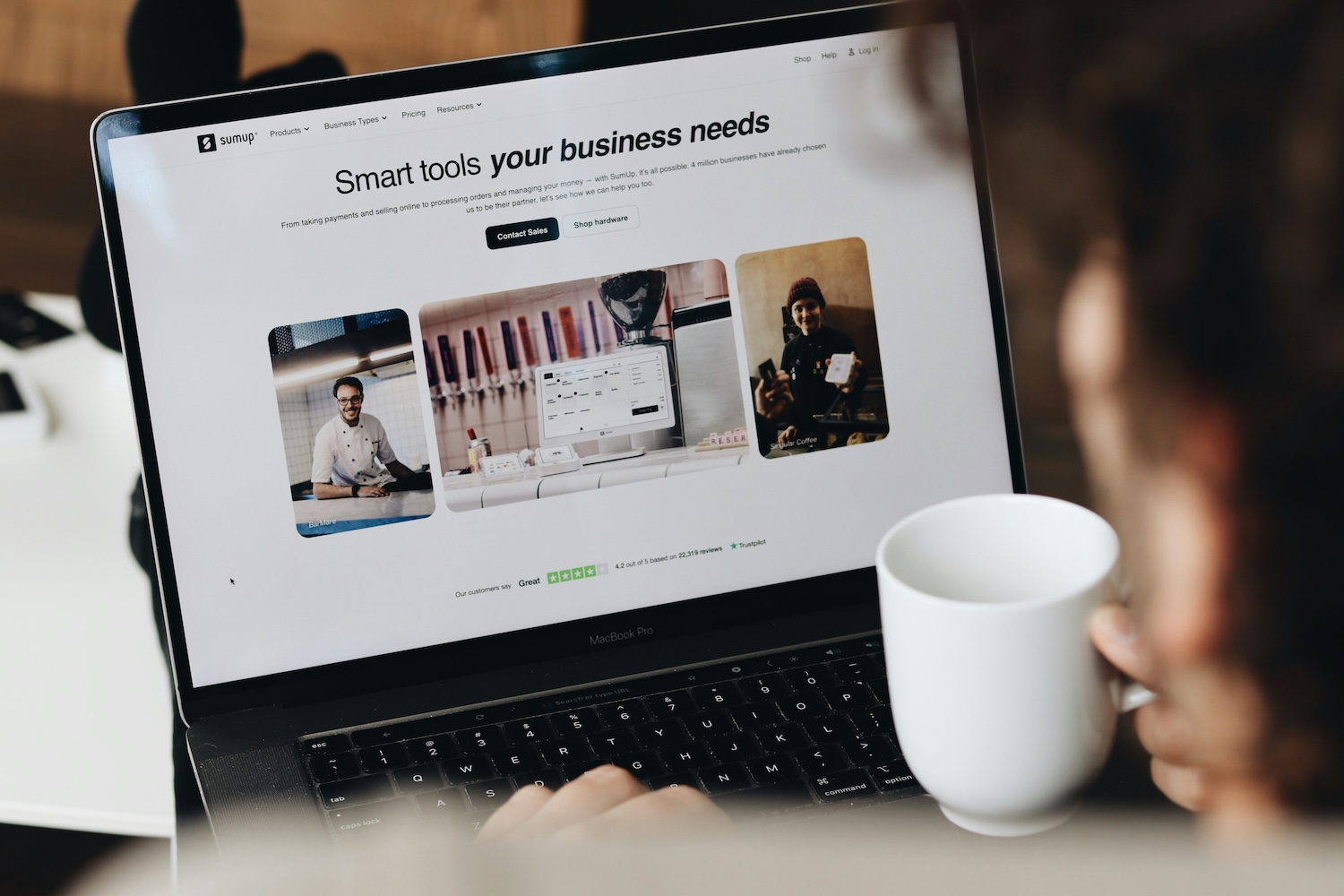

Lately, there’s been a debate about whether retail’s future is physical or digital. Many believe it’s digital due to high streets slowly disappearing, but what if it’s both?
The brands that are pulling ahead are focused on an omnichannel approach. They’re neither digital nor physical, but they’re using both to cater to two different audiences.
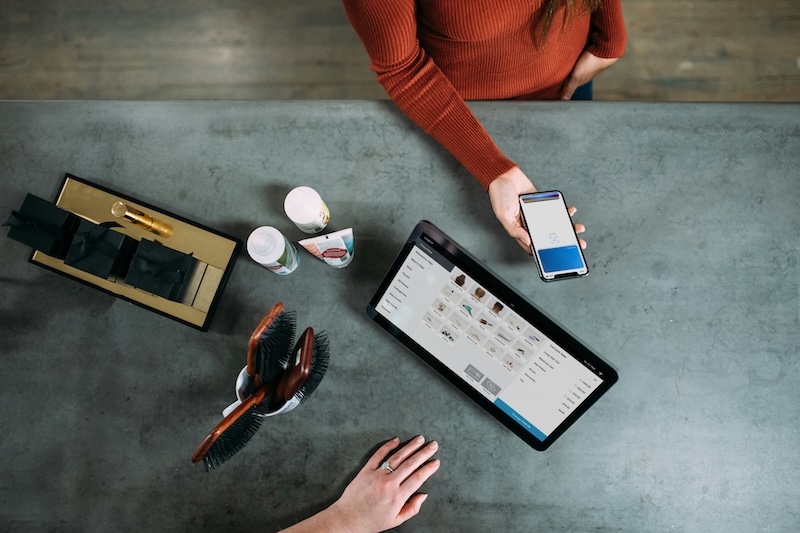

Both Channels, One Brand
It’s not a matter of what channel; it’s now a matter of both channels. That’s why retail industry research suggests that enhancing omnichannel experience is a top priority.
The logic is very simple. Customers engage both online and in person. If brands are able to build experiences that cater to both, their target audience gets broader, and their customer loyalty gets stronger.
They don’t compete against each other, either. Physical space offers something online cannot. Online offers something that physical space doesn’t.
Lessons from Leisure and Hospitality
Fashion and grocery are the sectors that are most associated with this approach. However, they are not the only ones using it.
Cinema chains, gym groups, and even entertainment operators have all built businesses that run a physical estate and a digital arm side-by-side.
Bingo operators are a good example. Many have their own online bingo sites alongside having physical locations. This allows customers to choose whether they want to play online or at a bingo hall, which generally opens up their target market.
What these leisure brands understand is that the physical and digital versions of their products/services serve different needs. They’re not the same, and they cater to two different audiences.
Neither online nor physical is there to fight each other. Instead, it’s there because it does something the other can’t.
What Retailers Can Take Away
If retailers are considering the omnichannel approach, there are three things they want to consider.
Firstly, be consistent with the branding. A customer should be able to recognise a brand instantly, whether they encounter it online or not.
The second is using the physical space for what it does best. As retailers are still opening new physical stores despite pressure on the high street, the winners are treating those stores as destinations and experiences, not just points of sale.
It’s important to join up the data as well. Online can tell you a lot about retail, and retail can tell you a lot about online. If the data is available, it’s always worth considering it while developing strategies or campaigns.
The Change Is Happening
The debate about high streets dying could be true. However, a world without a high street is far from here. People love both online and physical; which is why brands following an omnichannel approach will be the ones to capitalise.
It makes sense as well. Online offers something that a physical location cannot, and it’s the same the other way around. They’re not there to fight against each other. Instead, they’re there to complement each other, helping brands build both online and physical loyalty.