





For decades, space heating in the UK has largely meant gas boilers feeding radiators. That model is now being questioned. Rising concern about carbon emissions, volatile gas prices, and the gradual move towards electrification have made electric heating a more serious consideration for homeowners, landlords, and commercial property managers.
The phrase “electric heating” covers more than plug-in panel heaters. It can include electric radiators, infrared panels, storage heaters, underfloor systems, air-to-air heat pumps, and portable heaters used to warm specific areas. Each operates differently, but they share one defining characteristic: they convert electricity into heat at the point of use.
That simplicity is appealing. Yet switching is not automatically the right move for every building. The real question is not whether electric heating is good or bad, but whether it suits the property, its insulation levels, how the occupants use rooms, and the available electricity tariff.
Why electric space heating is gaining attention
Electric heating has historically carried a poor reputation in the UK, largely because older storage heaters were difficult to control and electricity cost considerably more per unit than mains gas. Those concerns have not disappeared, but the wider context has changed.
Modern electric heaters offer more accurate thermostats, programmable schedules, app controls, open-window detection, and room-by-room zoning. At the same time, homes are increasingly being fitted with solar PV, batteries, smart meters, and better insulation. These changes make it easier to use electricity more deliberately rather than simply consuming it at a flat rate throughout the day.
There is also a practical appeal. Electric systems avoid the need for gas pipework, flues, boiler servicing, and the combustion risks associated with fuel-burning appliances. In a small flat, a converted loft, a garden room, or a rarely used office, installing a gas-fired central heating extension may be disproportionate to the need.
A useful starting point: heat the space, not the whole building
One of the strongest arguments for electric space heating is its ability to target specific rooms. If a household spends most evenings in one living room, warming every bedroom and hallway to the same temperature can be wasteful. A well-positioned electric radiator or infrared panel can provide comfort where it is needed without firing up an entire wet heating system.
Selecting the right equipment still matters. Wattage, room size, insulation quality, ceiling height, ventilation, and intended operating hours all affect performance. For a broad overview of the available options and the factors worth comparing, the Electrical Data Warehouse team provides a helpful reference point for understanding electric space-heating products.
The advantages of making the switch
The most obvious benefit is installation simplicity. Many electric heaters can be fitted with minimal disruption, particularly where an existing electrical supply is available. There is no boiler to accommodate, no pipework to route through floors, and no need to balance radiators. In properties where access is difficult or renovation budgets are tight, that can significantly reduce project complexity.
Electric heaters also offer highly granular control. Rather than relying on one central thermostat, occupants can set different temperatures in different rooms. This is useful in homes with varied routines and in workplaces where some spaces are occupied intermittently.
Other notable advantages include:
- Low maintenance: Electric heaters have fewer moving parts than boiler-based systems and do not require annual gas safety servicing in the same way.
- No on-site combustion: There is no carbon monoxide risk from the heater itself, no flue, and no combustion-related indoor emissions.
- Fast response: Panel heaters and fan-assisted units can warm a room quickly, making them suitable for occasional-use spaces.
- Compatibility with renewable electricity: As the grid decarbonises and households add solar generation, electrically powered heating can become lower carbon over time.
For landlords, electric heating can also simplify compliance in all-electric properties. There is no gas appliance to inspect annually, although electrical installation safety obligations remain just as important.
The drawbacks that deserve closer scrutiny
The biggest challenge is running cost. A standard resistance electric heater is close to 100% efficient at converting electricity into heat at the appliance, but that does not mean it is cheap to run. Electricity typically costs more per kilowatt-hour than gas, so replacing an efficient gas boiler with direct electric radiators can raise heating bills if usage patterns remain unchanged.
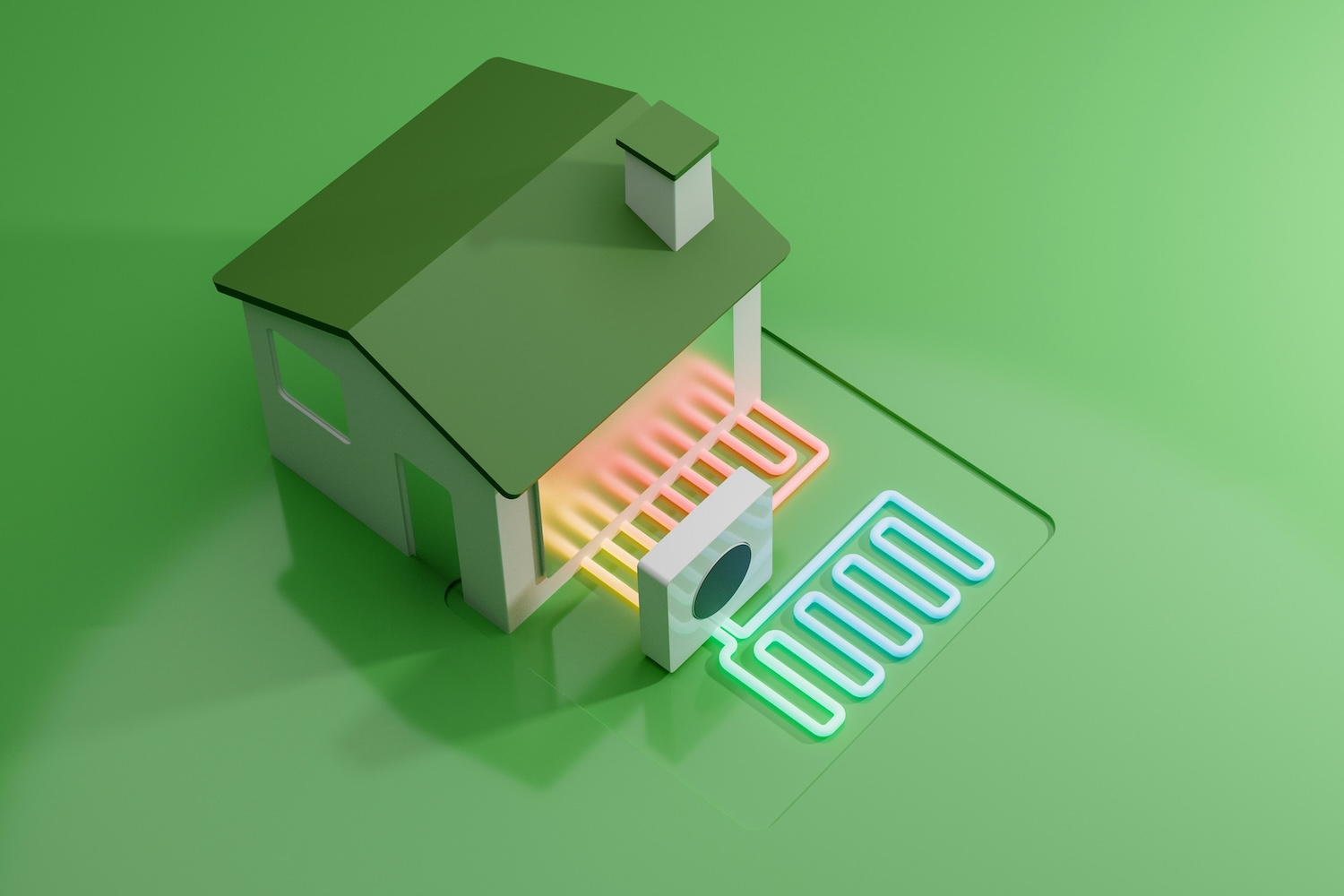
This is where terminology can confuse the conversation. An electric panel heater is not the same as a heat pump. Direct electric heating produces roughly one unit of heat from one unit of electricity. A heat pump can deliver several units of heat for each unit of electricity consumed by moving heat from outside air or the ground. The upfront cost, installation requirements, and operating characteristics are very different.
Electrical capacity can be a limiting factor
A whole-house switch to electric resistance heating can place substantial demand on a property’s electrical system. Several heaters, an electric shower, induction hob, oven, and EV charger running together may test the limits of an older consumer unit or supply arrangement.
Before installing multiple fixed heaters, it is sensible to have a qualified electrician assess circuit capacity, protective devices, cable sizing, and whether the consumer unit is suitable. This is especially important in older homes, rental properties, and commercial premises where electrical alterations may have accumulated over time.
Comfort can be another issue. Electric heating works best in buildings that retain warmth. In a draughty, poorly insulated house, heaters may run continuously while rooms still feel cold near windows, floors, and external walls. Improving loft insulation, sealing obvious drafts, upgrading glazing where appropriate, and addressing ventilation properly often delivers better results than simply fitting larger heaters.
When electric space heating makes most sense
Electric heating tends to be most compelling where demand is limited, intermittent, or highly localised. Examples include guest rooms, home offices, extensions, workshops, small retail units, holiday lets, and garden buildings. It can also work well as a supplementary system, allowing occupants to keep the main thermostat lower while heating the room they are actively using.
For full-time, whole-home heating, the decision needs more careful modelling. Consider annual heat demand, electricity tariffs, the condition of the building fabric, and whether a heat pump or hybrid approach would offer a better long-term outcome. Storage heaters paired with time-of-use tariffs may suit some households, but only if residents can shift consumption and understand the controls.
A balanced route to electrification
Switching to electric space heating is not a one-size-fits-all upgrade. Its strengths are flexibility, straightforward installation, low maintenance, and precise room-level control. Its weaknesses are primarily economic: direct electric heat can be expensive when used heavily in poorly insulated homes.
The sensible approach is to start with the building. Reduce heat loss first, then choose heating technology based on how each space is actually used. In many cases, the best answer is not a complete replacement of one system with another, but a thoughtful combination of insulation, smart controls, targeted electric heating, and—where suitable—high-efficiency heat-pump technology.