





Efficient and safe workplaces depend on choosing the right solutions for daily operations. The selection process directly affects productivity, operational costs, and employee well-being. Employers need to evaluate their equipment choices to ensure compliance, reliability, and health and safety in every workspace.
Material handling equipment plays a central role in creating streamlined, effective, and safe workplaces. Regardless of industry, from manufacturing to retail or warehousing, the right solutions support the movement, storage, and control of goods. Investing in quality material handling equipment not only helps prevent workplace injuries but also enhances productivity, ensuring daily tasks are carried out smoothly without unnecessary delays.
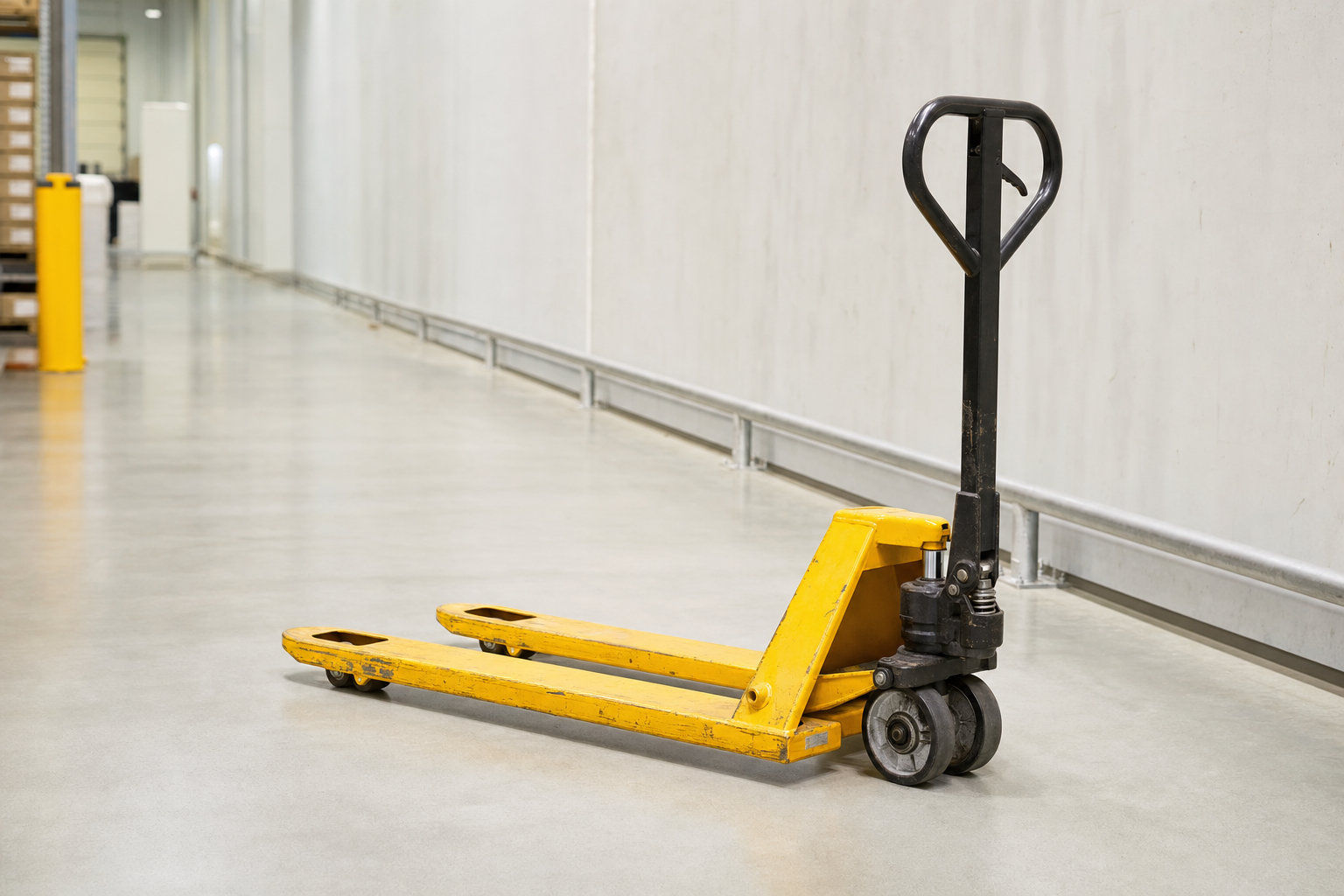
The role of material handling equipment in modern workplaces
Workplaces now require specialised solutions to support a wide range of functions, such as receiving, storing, and transporting goods. Well-designed equipment adapts to layout constraints, allows workers to complete tasks faster, and supports safety measures critical in high-traffic environments. When operations involve moving heavy or bulky items, the potential for strain or injury increases without suitable turntable trucks on hand.
Beyond basic transportation, material handling equipment such as turntable trucks and platform trucks is now common in back-of-house and shop floor areas. Their presence prevents overexertion, enables safe navigation through tight aisles, and helps maintain smooth workflows. Employers prioritise these investments to reduce downtime and maintain a consistent level of service, whether in retail, logistics, or industrial settings.
The impact on efficiency, costs, and employee safety
Efficient use of material handling equipment contributes directly to workflow optimisation. Trolleys, pallet trucks, and storage platforms keep processes moving quickly, allowing teams to meet tight schedules and adapt to fluctuating demand. Optimised goods movement ensures deliveries, restocking, and dispatches are timely and well-coordinated across the workplace.
Cost control is another major benefit. By reducing unnecessary handling or repeated trips, teams can work more effectively with fewer resources. At the same time, robust safety features, such as ergonomic designs and stable braking found in platform trucks and pallet trucks, lower the risk of workplace accidents. These benefits protect both the workforce and the company, reducing lost time and associated costs for recovery or compensation.
Choosing the right equipment for specific workplace needs
No single piece of equipment is universally suitable; each workplace has unique requirements depending on space, tasks, and volume. Identifying these needs allows employers to select turntable trucks that fit their setting, whether that is compact solutions for tight workspaces or higher-capacity trucks for larger loads. Providing employees with the correct equipment reduces physical strain and supports compliance with workplace regulations.
During peak periods or when demands shift, equipment such as pallet trucks allow teams to flexibly adjust their routines and maintain productivity. Making informed selections, with an emphasis on manoeuvrability, safety, and task suitability, ensures that workplaces continue to operate smoothly and safely, even under pressure, supported by platform trucks where appropriate.