





Retail spaces rely on a silent network of systems that work in concert long before the customer walks in. These systems shape how the staff move, how stock flows, and how safe the environment will feel. Everything depends on small decisions that determine who can enter specific areas and at what time they can do so.
Managing Movement Behind the Scenes
Back-of-house activity creates a rhythm that keeps stores functioning. Stockroom access, loading schedules, and staff rotations each depend on predictable, controlled movement. Where physical keys are circulating widely, this rhythm becomes vulnerable because one misplaced key can disrupt an entire shift. Digital access tools reduce this pressure, and retailers now use options like smart locks to create clearer accountability within busy teams. The benefit is not only security, but smoother coordination as responsibilities pass between staff members across the day.

Securing Peripheral Spaces
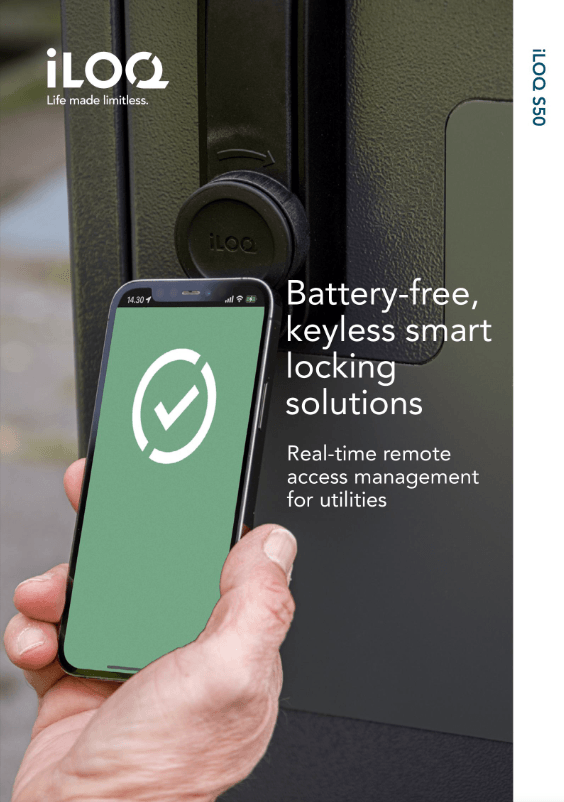
Many retailers’ operations are based on areas customers seldom think about. Side entrances handle early morning delivery traffic, outdoor cages safeguard high-value stock, and temporary areas cover seasonal operations. These areas can be without regular supervision, creating gaps that traditional ways of locking simply can’t fill. Robust digital solutions can help, and retailers are turning to tools such as the modern smart padlock for locations that require flexibility without compromising control. Such a move fortifies the perimeter of retail sites and reduces the number of people who need physical keys.
Coordinating the After-Hours Retail Ecosystem
The most complex activity often begins after closing time. Cleaners, merchandisers, and contractors move through stores with limited supervision, and each group depends on controlled, trackable access. The centralised access rights allow the managers to have a clear history of who accessed a particular region at a particular time, and this will enhance responsibility at a time when the monitoring is the least effective. This transparency enhances the general security, minimises the loopholes left by the staff changeover, and aids in safer night shifts that precondition better commencement of the next trading day.

Contemporary retail is dependent on the structures that are hardly noticeable, but that define the efficiency of all activities. These systems secure merchandise, serve the staff, and bring order in hectic settings. A change to consider is the consideration of access data as a tool of planning and not merely an element of security, as trends in that data can often give signs of the operational inefficiencies even before they emerge on the sales floor.