





Renting automotive workwear often beats buying outright, cutting the administrative headaches and hidden costs that come with an upfront purchase. That single payment may look straightforward, but owning your workwear outright shifts real responsibilities onto the business.
These responsibilities include safety compliance, garment laundering and unplanned bulk purchases: all causing hassle and generating hidden costs. This guide evaluates these responsibilities of ownership and considers mechanic uniform rental as a solution.
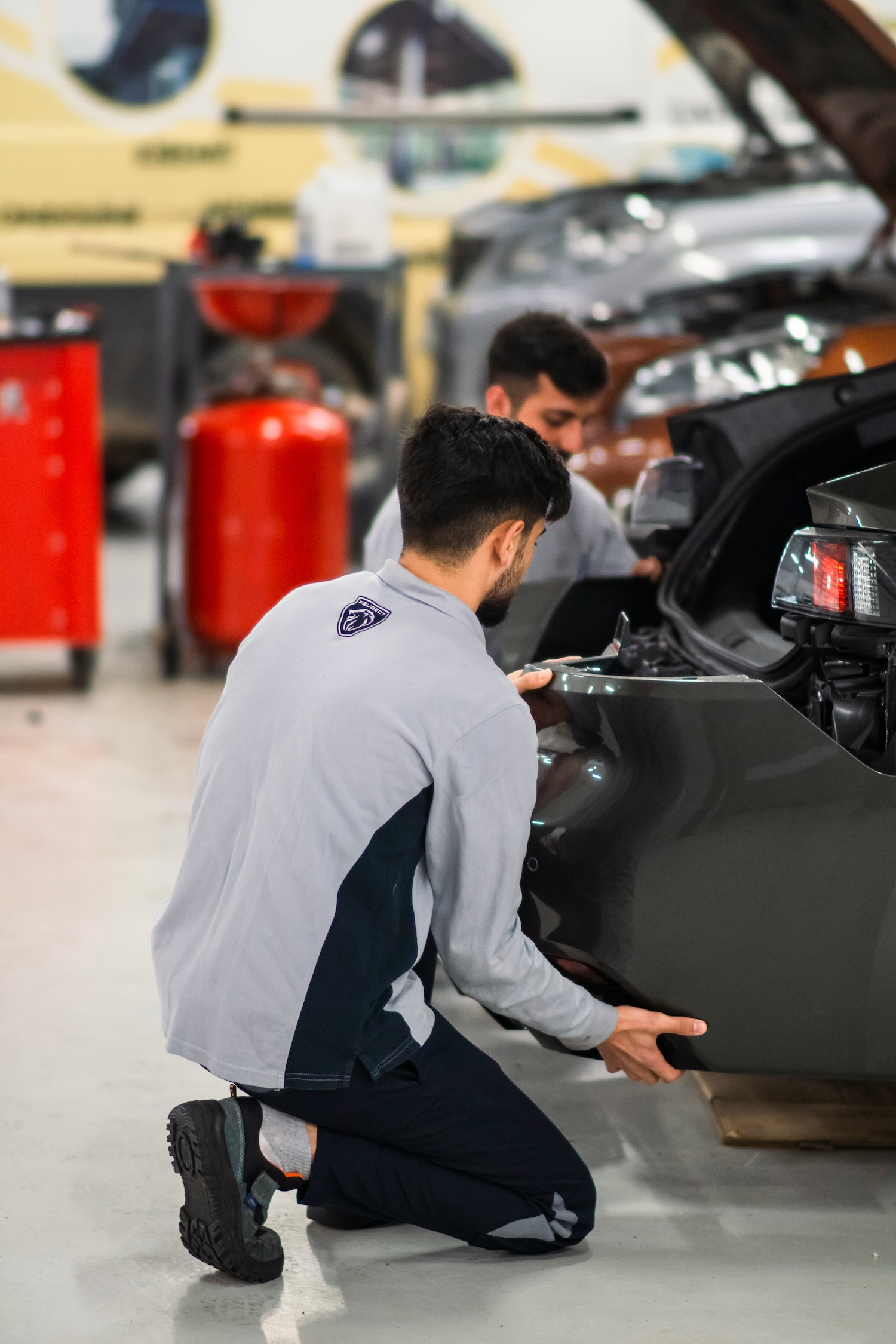
Factors to consider before buying mechanic workwear outright
Buying uniforms outright creates a plethora of administrative responsibilities for garages, detracting from what’s actually important. Reordering stock when garments wear out or headcount grows means sourcing and paying for each purchase individually.
Moreover, leavers often leave part-worn uniforms that goes to waste, since resizing it for someone else rarely works. This results in workshop owners wasting valuable time on recording which garments are near the end of their working life.
Where compliance risk sits when you own the garments
The Personal Protective Equipment at Work Regulations 1992 (as amended 2022) place a maintenance duty on employers. A hi-vis jacket or oil-resistant coverall can lose its protective properties well before it looks visibly worn. If that happens to owned stock, the workshop carries the compliance risk, typically covering replacement costs itself.
Under a rental contract however, inspecting and maintaining protective performance is normally part of the service. Automotive garments are checked during the wash cycle and worn or damaged pieces are swapped out rather than left in circulation. This gives workshop owners confidence that their uniforms stay compliant, without carrying out time-consuming checks themselves.
Renting vs. buying mechanic uniforms, factor by factor
The trade-offs below cover the areas that matter most for a workshop’s day-to-day running. Each one plays out differently for a workshop that buys versus one using a garage workwear rental service.
Budgeting
- Buying: a large upfront cost, repeated whenever kit needs replacing.
- Renting: a fixed weekly or monthly charge, agreed for the length of the contract.
Laundering
- Buying: arranged and paid for separately, whether in-house or through a laundry contract.
- Renting: built into the service, with collection and delivery on a set schedule.
Maintenance and replacement
- Buying: repairs happen ad hoc, and worn kit is easy to leave in use.
- Renting: damaged or worn garments are replaced as a routine part of the contract.
Safety and compliance
- Buying: tracking wear and protective performance falls to the workshop.
- Renting: checked as part of the inspection and laundering cycle.
Headcount changes
- Buying: new joiners need automotive uniforms ordered and paid for individually.
- Renting: sizing and stock levels adjust as part of the service.
Automotive workshops and garages often rent more items than just uniforms. Wipers, absorbent mats and similar consumables are commonly bundled into the same type of contract. Bundling these together can simplify billing and scheduling, rather than running separate arrangements for each item.
What’s typically included vs. billed separately
Not every rental contract provides the same range of services, so it’s worth checking what is included as standard. Repairs from normal wear are usually included in the price. Loss, damage beyond fair use, and branding changes are often billed separately.
Tip: Ask for this in writing before signing to ensure clarity on what services are included.
Branding and embroidery are treated differently across the market. Some providers include a mechanic’s workshop’s logo as standard, while others charge per garment or per design change. If front-of-house staff also need uniforms, check whether that’s priced into the same contract or billed as an add-on.
How providers handle sizing and headcount changes
Sizing is one of the more time-consuming parts of running owned stock. Staff often estimate their own sizes, and getting it wrong means a return trip or a badly-fitting garment. Conversely, rental providers typically measure staff directly when the contract starts, rather than relying on guesswork. This reduces the back-and-forth that comes with mail-order sizing.
Headcount changes are handled in a similar way. A rental agreement lets workshops add or remove technicians by updating the account, without raising a new purchase order. This suits businesses with seasonal or contract-based staff, where headcount changes regularly.
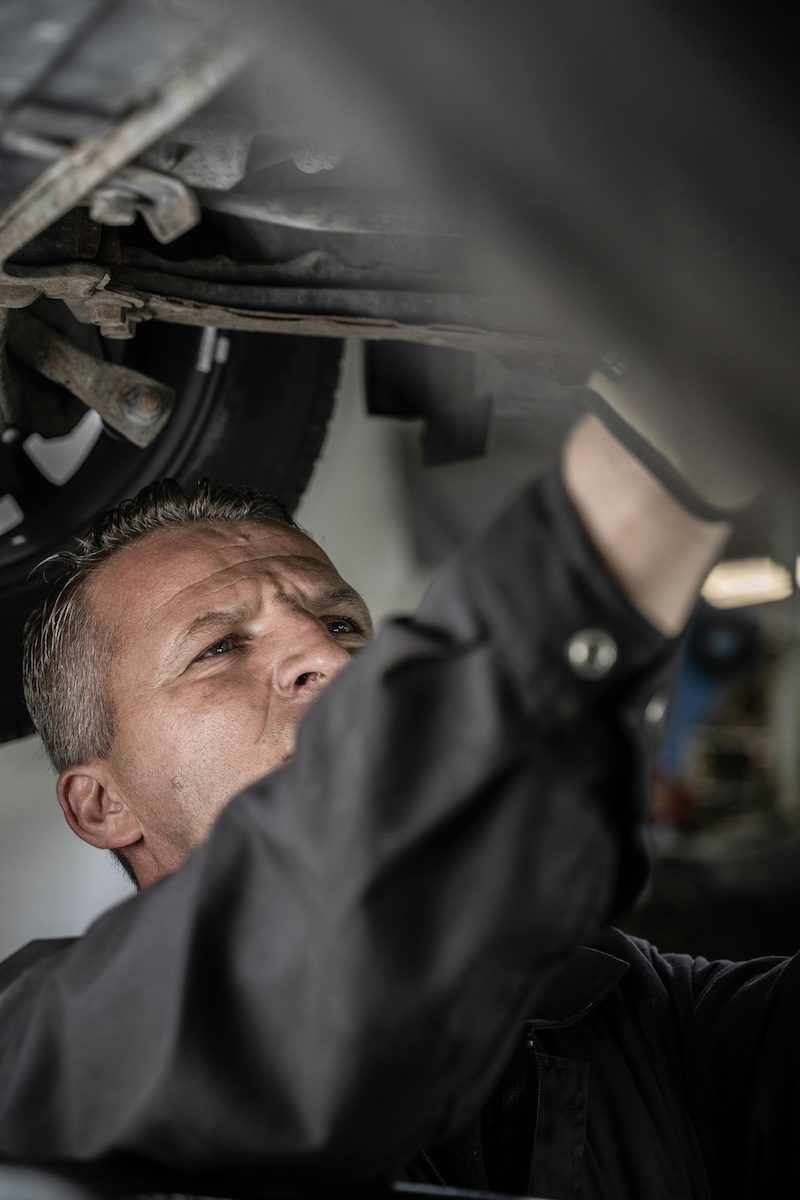

Is rental worth it for a small, independent garage?
Scale changes the calculation less than it might seem. A four or five-person garage still has to size, track and replace kit for every technician on the payroll. The admin load per head doesn’t shrink just because the team is small. In some cases it’s harder to absorb, since there’s no dedicated office role to manage it.
For a small garage, a self-serve quote can also remove a barrier that larger buying processes don’t have. Getting pricing without a lengthy sales process suits a workshop where the owner is also doing the books. Whatever the size of the operation, the same questions about compliance, cost and admin still apply.
What to check before choosing a rental provider
A short list of questions upfront can save a lot of back-and-forth later. Any provider offering automotive workwear rental services should be able to answer these clearly before you sign.
- What’s included in the charge, and what’s billed separately (repairs, loss, branding changes)
- The collection and delivery schedule, and what happens if one is missed
- How garment condition and protective performance are checked, and how often
- Minimum contract length, and how headcount changes are handled
- Turnaround time for new joiners and size changes
- Whether wipers, mats or other consumables can be added to the same contract
- What happens to garments, and any exit costs, at the end of the contract
Making the decision on mechanic uniform rental
Buying looks simpler on paper, but the ongoing admin and compliance monitoring stay with the workshop the whole time. Renting shifts that ongoing workload onto the provider under a fixed contract, along with day-to-day compliance checks. For a small workshop with limited spare time, that trade-off often outweighs the difference in headline cost. A written quote against your current setup is the clearest way to see the real mechanic uniform rental cost.