





Retail has always been measured in hard outcomes: sales, footfall, basket size, frequency and margin.
So, when people talk about “entertainment” in retail, it can sound like a distraction. A nice-to-have. Something for the brand team to worry about while the commercial team gets on with the real work.
But that misses something important: great retail has always had a sense of theatre.
Sam Walton built Walmart on low prices, operational discipline and relentless customer focus, but he also understood the power of making a store feel like an event. In the early days of Walmart, openings were occasions, with offers, energy, spectacle and family appeal. There were even donkey rides for children. Retail was not simply about putting goods on shelves. It was about creating moments people would remember.

That wisdom has been pushed into the background. Retail has become faster, smarter and more convenient, but in the pursuit of frictionless shopping, some retailers have forgotten the power of memorable shopping.
As online retail grows, physical stores have to give people a stronger reason to visit, linger and return. The store cannot just be a distribution point. It has to earn the journey.
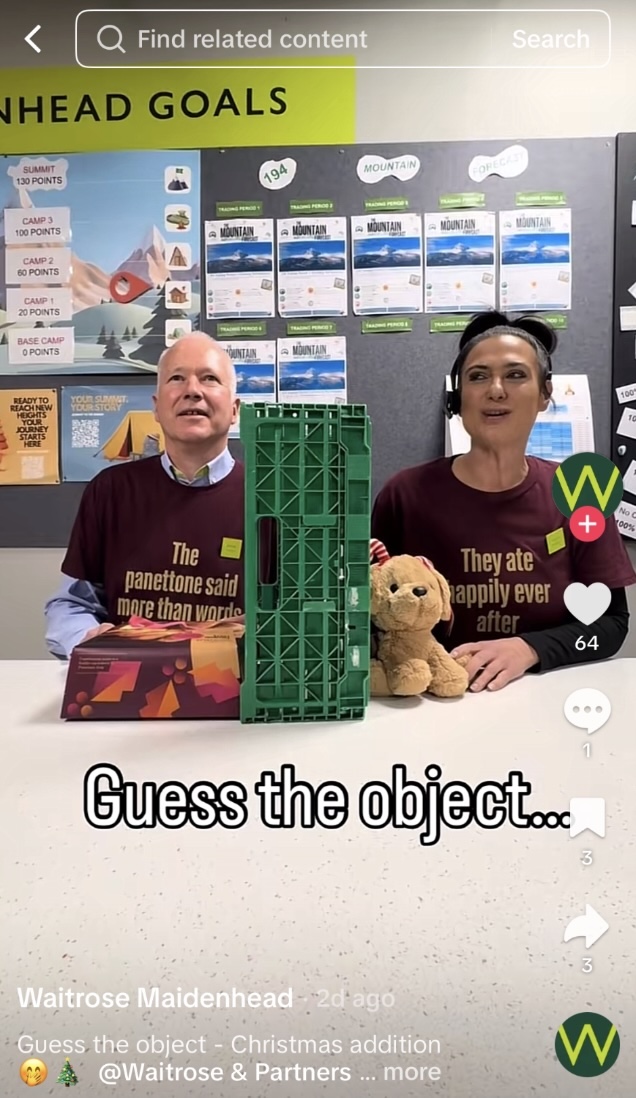
What has changed is the stage. Showmanship used to live mainly in the store, the founder, the staff and the windows. Now it also has to live in communications, content, social, partnerships and earned media.“
That is where entertainment becomes a serious commercial lever. Not as a gimmick, and not as a substitute for a strong proposition, but as a way of making a real retail advantage more visible, more memorable and more valuable.
Waitrose: Bringing Food Love to Life
Waitrose, the UK premium grocer, recently reported sales growth of 7% to £8.5bn, delivering a tenth consecutive quarter of customer growth. It attracted 5% more shoppers than two years ago, increased volumes by 3% and recorded its highest Net Promoter Score. Waitrose credited its “The home of food lovers” strategy as a key driver.
The point is simple: Waitrose is not just a place to buy food. It is a home for people who care about food.
Most grocery retailers can talk about quality, freshness and convenience. Those are category norms. “The home of food lovers” connects the commercial offer to a human truth: food is not just fuel. It is pleasure, care, conversation, identity and joy.
That shift changes the question. Traditional retail communications start with: “What do we need to say?” An entertainment lens starts with: “Why would anyone choose to spend time with this?” It is a much harder question, but a much better one.
The answer lives across the whole customer experience. The refurbished Waitrose Newbury store, its first “The home of food lovers” concept store, includes a five-metre Cheese Island, expanded fishmonger and butcher counters, dry-aged beef, a Food Lovers Hub for seasonal recipes and wine pairings, and a Fine & Rare wine section.
That is not just operational improvement. It is theatre with a commercial purpose. It turns product discovery into part of the experience and makes the store feel less like a place to complete a shop and more like a place to explore.
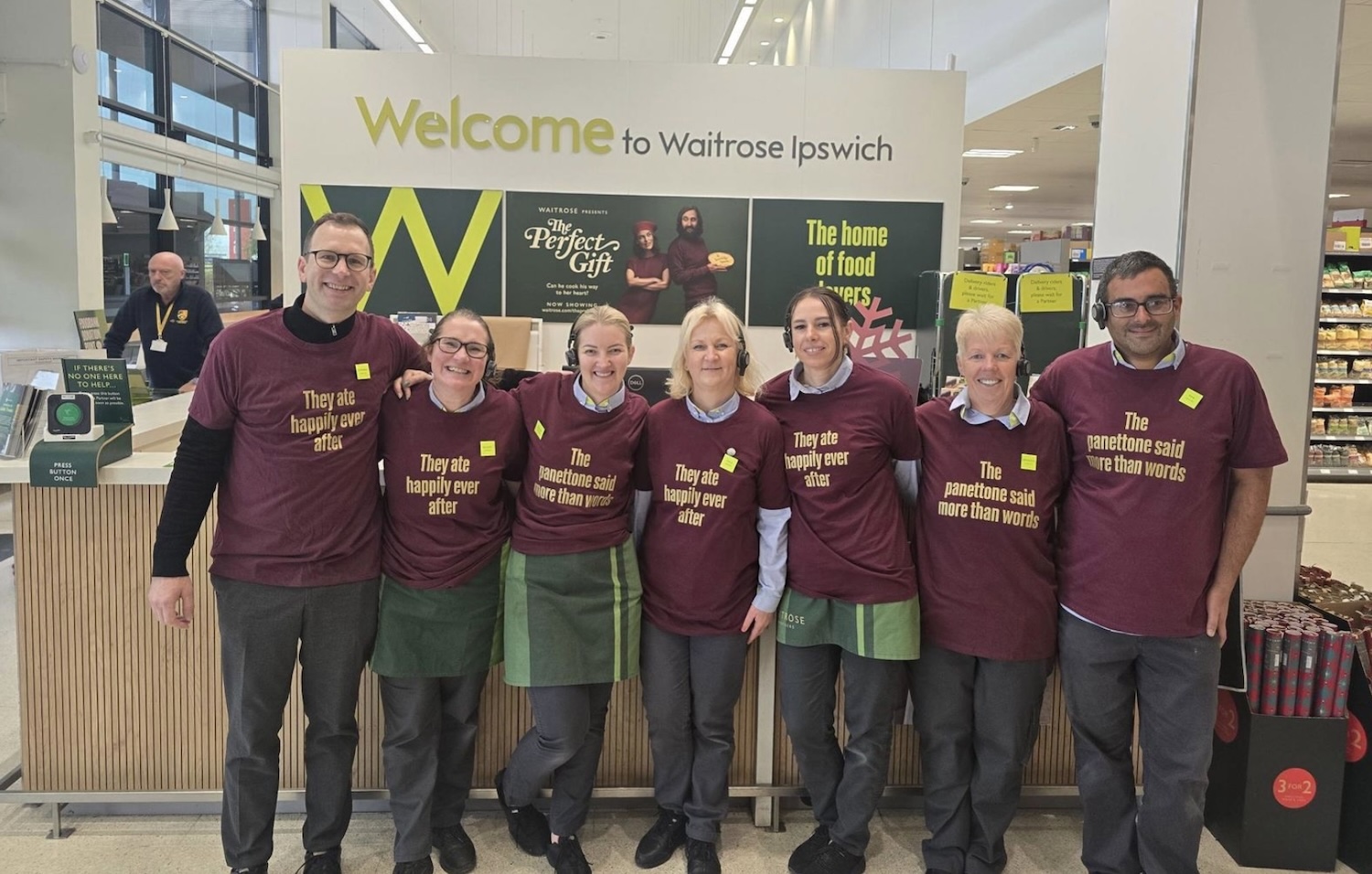
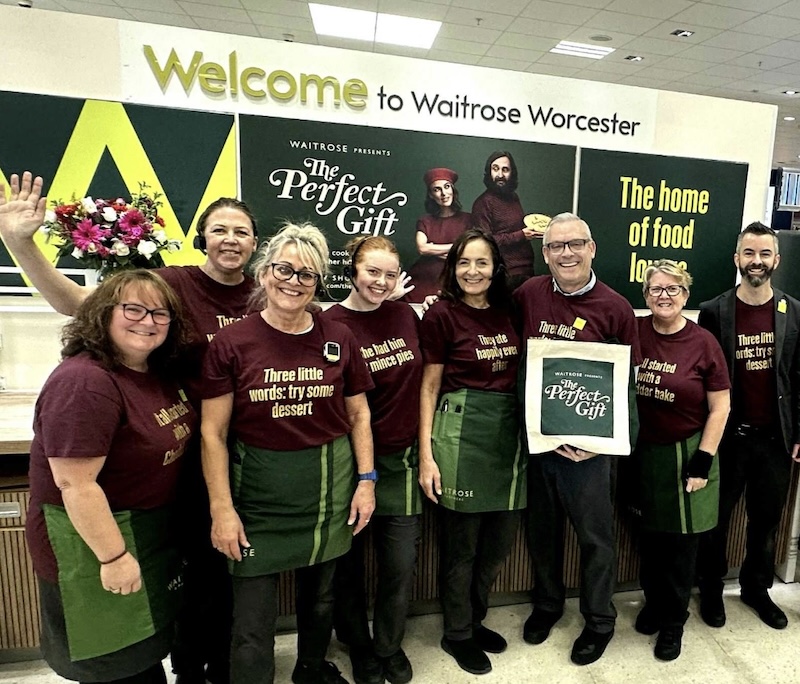
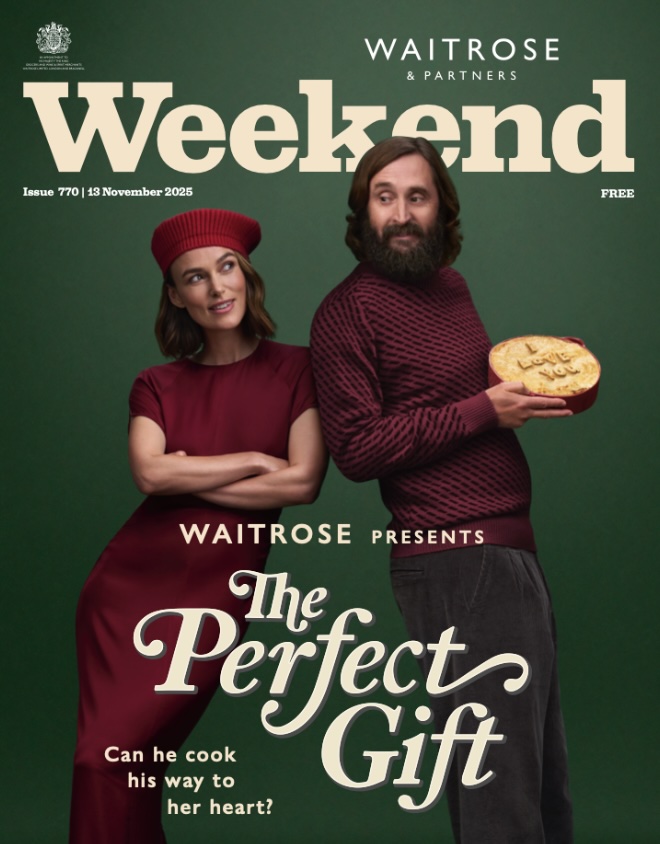
The communications apply the same logic. The Christmas campaign, The Perfect Gift, starring Keira Knightley, borrowed from romantic comedy rather than standard festive retail advertising. The Gastronaut campaign used sci-fi storytelling to dramatise the brand’s belief that food is more than fuel. Even the Better Chicken Commitment work used entertainment to make a serious ethics and welfare message more distinctive and memorable.

And then there is Dish, Waitrose’s podcast with Nick Grimshaw and Michelin-starred chef Angela Hartnett. It does not behave like a branded podcast. It behaves like a proper entertainment format: guests sit down for dinner, Angela cooks, Nick hosts, and Waitrose earns a role in the conversation rather than forcing itself into it.
Dish has been downloaded more than 500,000 times a month, with listeners averaging 97% of each episode. It has also generated more than 60 million organic video views across social, featured guests include Dua Lipa, Dave Grohl, Gordon Ramsay and Florence Pugh, and even became a live show at the Royal Opera House. Those are not vanity numbers. They are evidence that people are choosing to spend time with the brand’s world.
The point is not that every retailer needs a celebrity, a podcast, a long-form film or a glossy production. That would be exactly the wrong lesson.
The practical starting point is not format. It is role.
A retailer should not begin by asking whether it needs a film, a podcast, a social series or an in-store experience. It should start by asking what kind of entertainment it has the right to create.
For Waitrose, the answer comes directly from “The home of food lovers.” Its entertainment should feel like food lovers talking to food lovers: appetite-led, expert, warm, obsessive and theatrical. It should feel like it belongs in the world of food, not just the world of supermarket retail.
As retail becomes more automated, personalised and frictionless, the customer journey will become more efficient, more responsive and more commercially effective. But a smoother journey is not the same as a more memorable brand.

“The home of food lovers” gives Waitrose a world to build across stores, communications and customer experience, not just a message to repeat. The Newbury store brings it to life physically. The communications bring it to life culturally. Together, they make the proposition easier to notice, easier to remember and easier to feel.
In modern retail, showmanship is not a distraction from growth. Done properly, it is one of the ways growth is created.