





A retail launch depends on visibility before customers ever reach the merchandise. Promotional signage has to attract attention, explain what is opening, guide shoppers toward the entrance, and reinforce the brand once they enter the store.
The most effective launch signage works as a coordinated system rather than a collection of unrelated posters. Retail Focus has highlighted how signage, visual merchandising, and guided pathways can shape movement through retail environments and strengthen the overall customer experience.
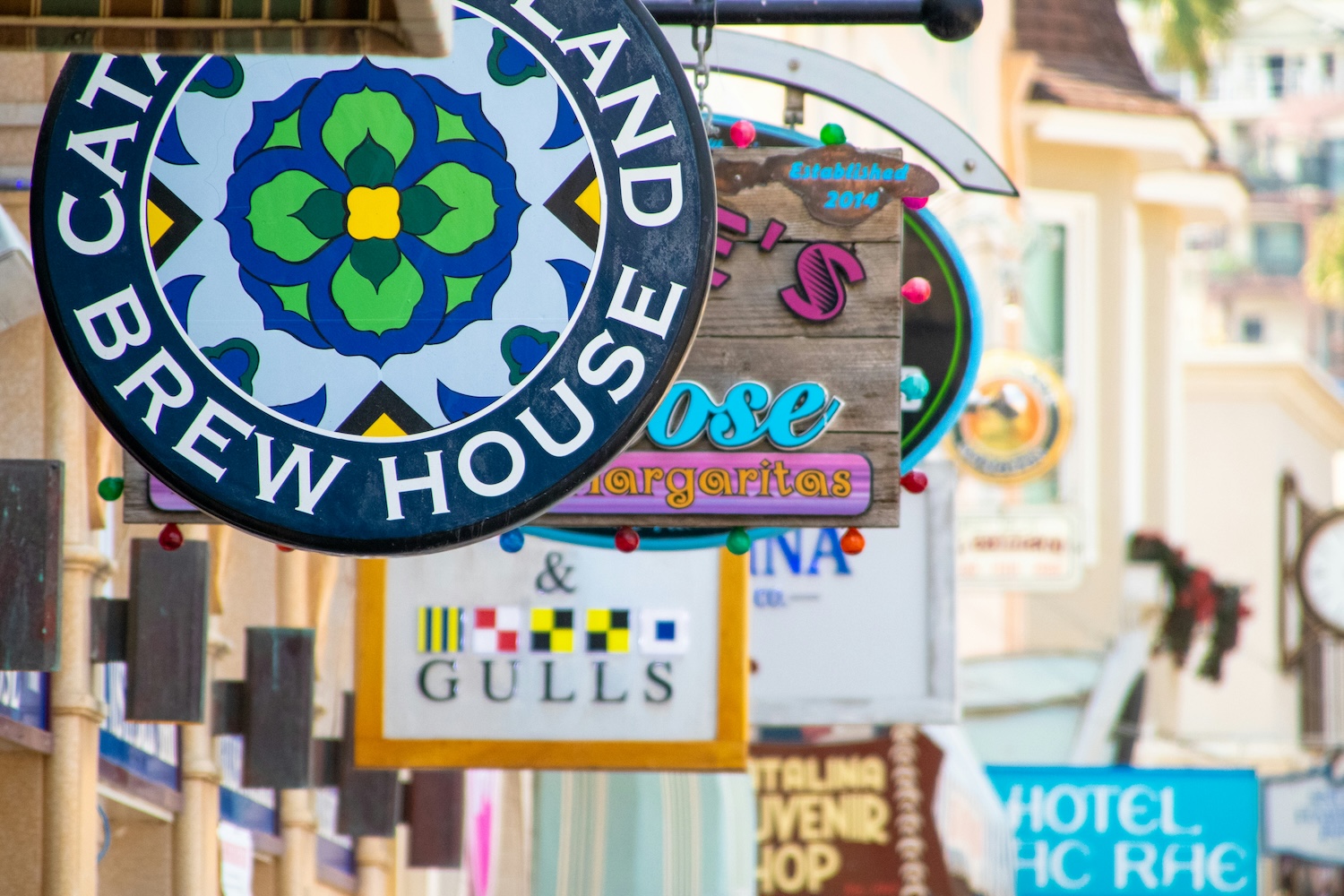
Start With the Customer Approach Route
Map how customers physically approach the store before designing individual signs. Identify parking areas, pedestrian routes, mall entrances, sidewalks, transit stops, escalators, and neighboring stores that affect visibility.
Place the highest-priority launch messages where customers first enter the retail zone. For temporary outdoor promotion, custom yard signs can carry opening dates, directional messages, launch offers, or event information. Yard Sign Plus currently offers customisable corrugated-plastic signs in multiple sizes, with single- or double-sided printing and optional stakes.
Treat each sign as a short-duration communication device. Customers walking or driving past should understand the message within seconds.
Create a Strict Message Hierarchy
Use one dominant headline, one supporting message, and one action. A launch sign might show the brand name first, “Now Open” second, and an entrance arrow third.
Avoid shrinking type to fit additional promotional copy. If the sign requires customers to stop and read several sentences, the layout is too complicated for high-traffic placement.
Turn Storefront Windows Into Launch Media
Window graphics are valuable because they occupy space the retailer already controls. They can advertise an opening before construction is finished and then transition into launch-day promotional graphics.
A launch window should still preserve enough visibility into the store when the interior itself is part of the attraction. Retail Focus has documented how retail graphics and signage can work as part of a broader visual merchandising environment rather than operating separately from the store design.
Use Directional Signage to Remove Friction
Wayfinding becomes especially important when a launch creates unfamiliar customer movement. Temporary entrances, queues, event zones, pickup areas, demonstrations, and registration desks should be easy to locate.
Directional signage should use consistent arrows, colours, terminology, and typography. Changing from “Launch Event” to “Opening Event” to “VIP Area” across different signs can create unnecessary confusion unless those terms describe genuinely different destinations.
Build a Complete Launch Sign Family
A retail launch usually requires several sign formats because customers encounter messages at different distances. Design them together so the launch feels visually coordinated.
Use consistent typography, logo placement, brand colours, and promotional language across outdoor signs, window graphics, entrance displays, queue signage, point-of-sale materials, and directional markers. Retail Focus notes that recognisable brand identity is an important part of effective visual merchandising.
Add Vertical Movement With Promotional Flags
Outdoor fabric displays can add height and movement around entrances, sidewalks, parking areas, and event zones. Their vertical format can also help a launch message remain visible when low-level signs are obscured by people or parked vehicles.
Retailers can use custom made flags for logos, opening messages, promotional artwork, or directional branding. Custom Flags Now currently supports uploaded artwork and customisable flag production, while its blade flag format is specifically positioned for storefronts, trade shows, and promotional spaces.
Keep Flag Graphics Simple
Fabric is constantly moving outdoors, so detailed copy is difficult to process.
Prioritise:
- A recognisable logo
- One short promotional phrase
- High-contrast colors
- Large typography
- Simple directional graphics
Avoid placing phone numbers, long URLs, or detailed terms on a moving flag unless customers will view it from very close range.
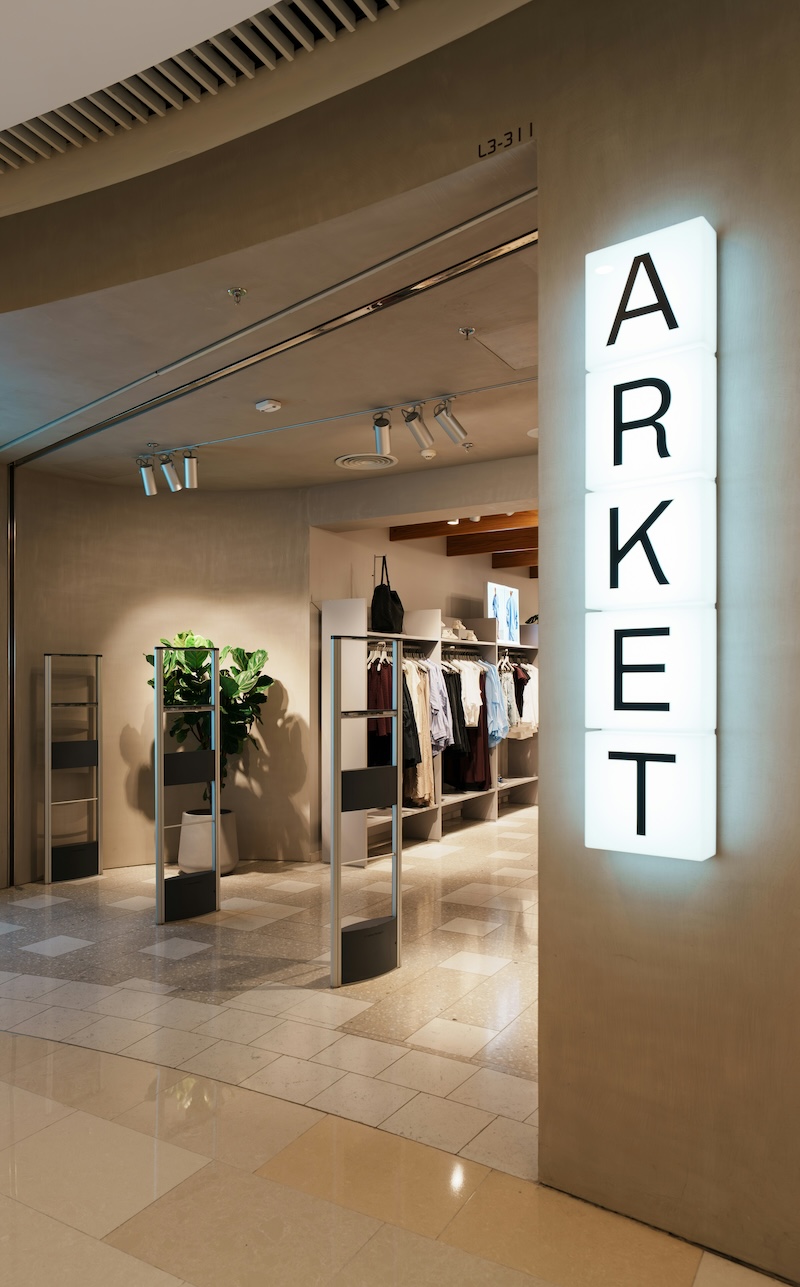

Use Floor Graphics to Control Launch-Day Traffic
Large openings can create congestion near entrances, demonstrations, promotional displays, and checkout areas.
Floor graphics can support temporary queue systems and direct customers toward high-priority zones without adding another freestanding structure to the sales floor. Retail Focus has discussed floor and wall graphics as tools for reinforcing brand identity and guiding movement through stores.
Use floor messaging for simple actions such as “Start Here,” “New Collection,” “Pickup,” or directional arrows. Confirm that materials are suitable for the floor surface and expected foot traffic.
Separate Launch Signage by Viewing Distance
Do not use one design template at every size.
Long-distance signage should prioritise brand identification and the opening message. Medium-distance displays can introduce an offer or product category. Close-range signage can carry pricing, QR codes, promotional terms, and product information.
This hierarchy reduces visual clutter because each sign performs one communication job.
Create a Launch-Day Offer Zone
Promotional pricing can disappear when it is distributed across an entire store.
Instead, establish one visually recognisable launch-offer system. Use the same headline treatment, colour block, and price architecture on promotional signs throughout the space.
If an offer has restrictions, keep the primary sign concise and place detailed conditions where customers can comfortably stop and read them.
Design for Photography and Social Sharing
Store launches generate customer, press, influencer, and staff photography. Signage should therefore be evaluated through a camera as well as in person.
A branded backdrop, dimensional logo, illuminated sign, or carefully designed entry feature can provide a consistent visual location for launch photographs.
Keep important logos above areas likely to be blocked by people standing in front of the display. Test the installation using both portrait and landscape phone orientations before opening.
Build Signage Into the Retail Launch Plan
Promotional signage should be planned alongside merchandising, store layout, staffing, and launch communications rather than ordered at the end of the project.
Map customer approach routes first. Establish message hierarchy, viewing distances, directional requirements, and promotional zones. Then select sign formats according to where and how customers will encounter them.
Retail Focus has emphasised that modern retail signage can range from simple printed displays to large-format and digital installations, giving launch teams considerable flexibility in how they communicate.
When every sign has a defined purpose, the launch environment becomes easier to navigate, more visually consistent, and better equipped to convert opening-day attention into store traffic and sales.