




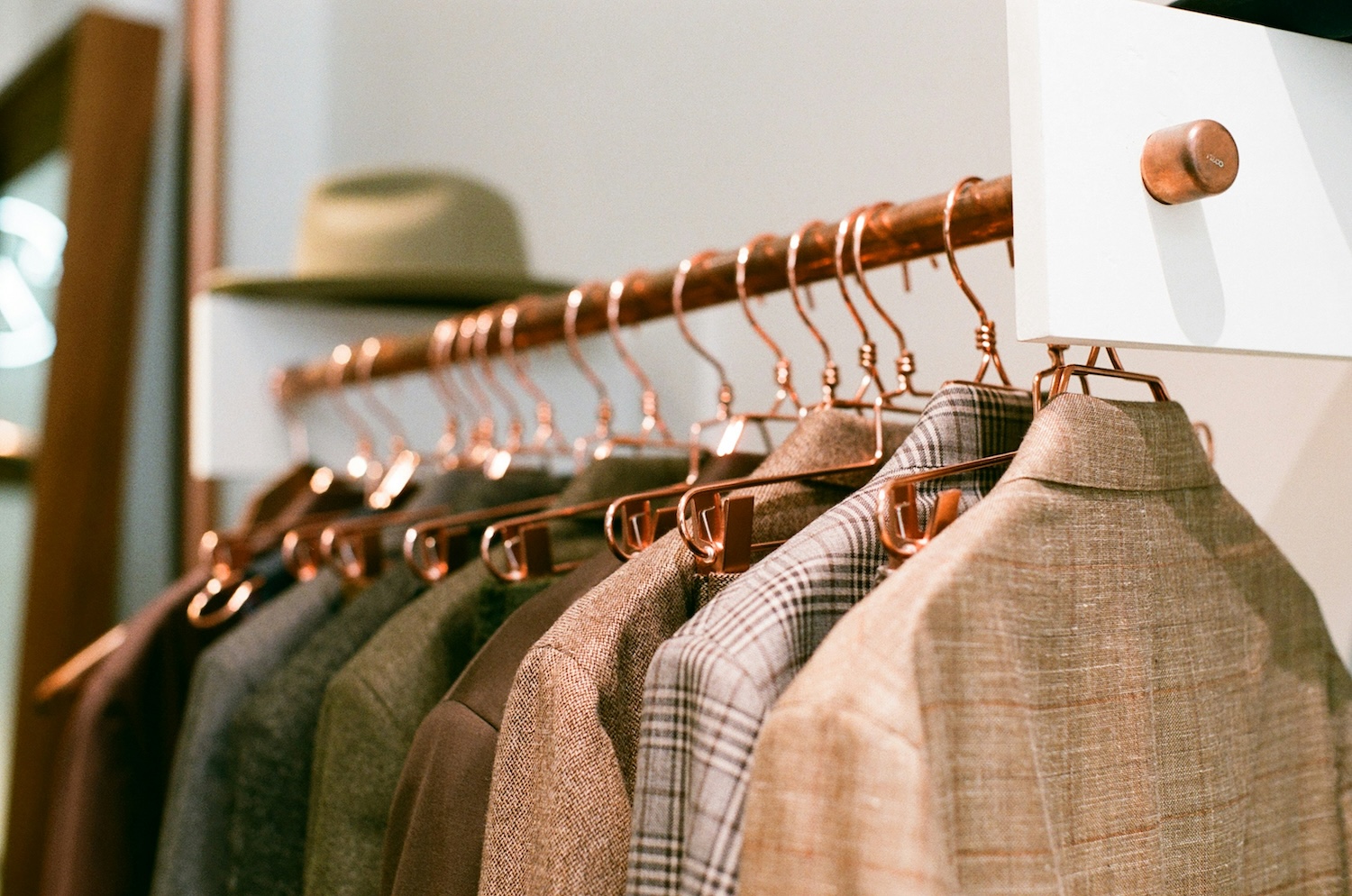

Men’s suits continue to evolve, but the core principles remain the same. Fit, fabric, and colour still define how a suit looks and feels. What changes is how these elements are combined, with more flexibility in styling and a wider range of options than in previous years. Current trends are not about replacing classic tailoring. They are about building on it, giving more choice in how suits are worn across different occasions.
A shift towards more structured looks
One of the clearest shifts is a return to more structured outfits. While relaxed tailoring has been popular, there is now a stronger move back to suits that feel complete and intentional.
This is where 3 piece suits have seen renewed interest. The addition of a waistcoat brings a sharper finish and keeps the outfit looking consistent throughout the day. It also adds versatility, allowing the jacket to be removed without losing the overall look.
For formal events, weddings, and occasions where presentation matters, this structure is becoming a preferred choice again.
Colours that are leading the way
Classic colours still dominate, but there is more variation in how they are used.
Navy remains one of the most reliable options. It works across both formal and semi formal settings and pairs easily with a range of shirts and accessories.
Grey continues to be widely worn, with mid and light tones becoming more common for daytime events. Darker shades are still used for more formal settings.
There has also been a steady increase in richer tones such as deep green, burgundy, and darker blues. These colours offer a point of difference while still staying within a smart dress code.
Patterns and texture gaining attention
Plain suits are still the most common choice, but patterns are becoming more noticeable again.
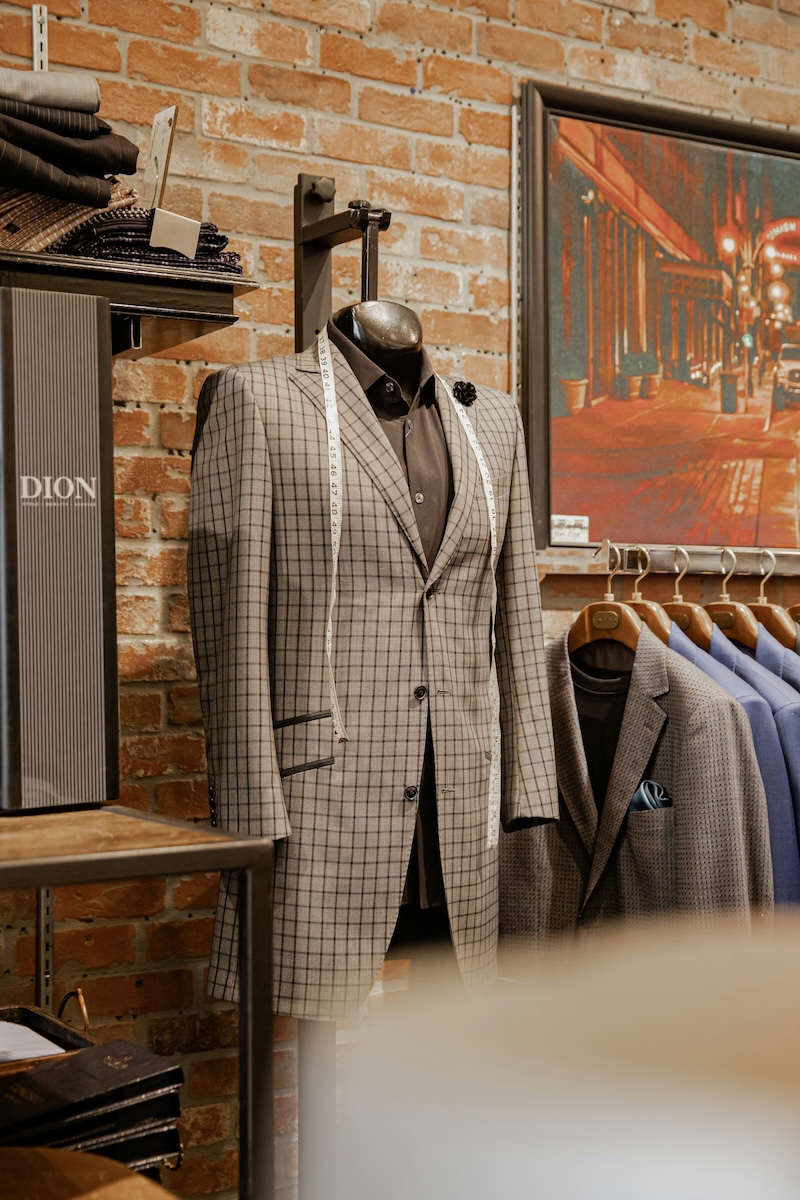
Checks, in particular, are widely worn. They add detail without changing the overall structure of the suit. Subtle patterns are often preferred, especially in professional or formal environments.
Textured fabrics such as tweed and herringbone are also gaining attention. These materials add depth and give the suit a more considered finish without relying on bold colours.

Fit is becoming more balanced
Extremely slim fits are starting to ease off, with more balanced tailoring becoming the standard. Suits are still tailored, but with slightly more room through the chest and leg.
This creates a cleaner shape that is easier to wear across different settings. It also improves comfort, especially for longer events.
The focus is now on a natural fit that follows the body without looking tight or oversized.
Mixing formal and casual elements
Another noticeable trend is how suits are being styled. There is more crossover between formal and casual pieces.
Blazers are being worn with different trousers, and full suits are sometimes paired with simpler shirts or knitwear instead of traditional combinations. This allows suits to be worn more often rather than saved for specific occasions.
Footwear is also more varied. While classic leather shoes remain the standard, some are choosing more relaxed options depending on the setting.
Why these trends are working
The reason these trends are gaining traction is because they offer flexibility without losing the core purpose of a suit. People still want to look sharp, but they also want options that feel practical and wearable.
Structured looks like three piece suits provide a dependable option for formal settings, while updated fits and colours make suits easier to wear in different situations.
What to focus on when choosing a suit
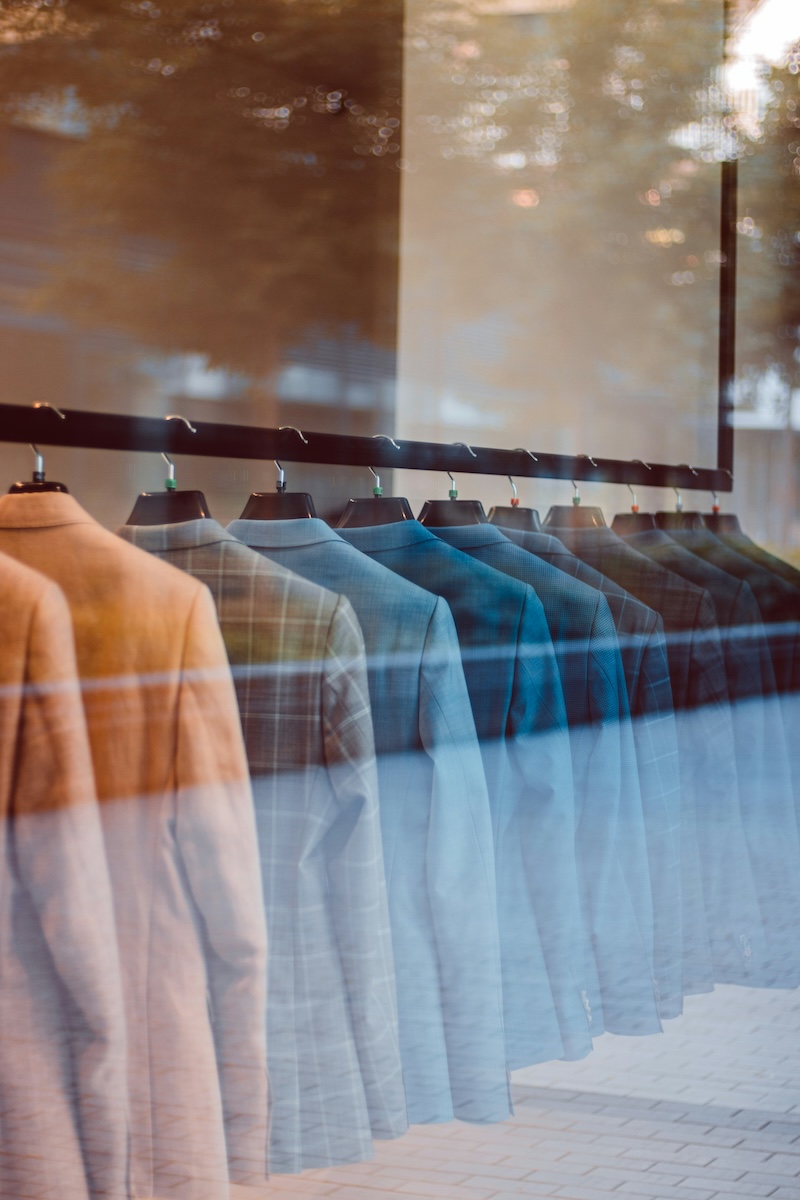
Trends can guide decisions, but the most important factors remain the same. Fit should always come first, followed by colour and fabric.
A well fitted suit in a colour that suits the occasion will always work, regardless of trends. Patterns and styling can then be used to add detail if needed.
For most people, the goal is not to follow every trend, but to choose a suit that feels current while still being practical for future use.