





The dream of a sprawling home office with mahogany bookshelves and a panoramic view is just that for most of us—a dream. The reality? You’re likely balancing a laptop on the edge of the kitchen counter, trying to ignore the pile of washing while navigating a Zoom call.
Since the shift to remote work became permanent for millions, the challenge hasn’t been if we can work from home, but where. When square footage is at a premium, creating a productive environment feels like a game of Tetris. But a small footprint doesn’t have to mean small ambitions. With the right strategy, even the most compact corner can become a powerhouse of productivity.
This guide explores practical ways to reclaim your space, whether you are working from a dining chair or planning a micro-renovation.
The “Pop-Up” Office: Working Without a Dedicated Room
Not everyone has a spare bedroom waiting to be converted. For many remote workers, the office is wherever there is a flat surface. The key here is not just finding space, but defining it.
The Kitchen Commute
The kitchen island is a popular hot-desk spot, but it comes with distractions—namely, the fridge and the dirty dishes. To make this work, establish a “clean desk” policy. When work hours start, clear away the breakfast clutter. Use a portable laptop riser to bring your screen to eye level; looking down for eight hours is a guaranteed recipe for neck strain.
Because kitchens are high-traffic areas, noise-cancelling headphones are non-negotiable. They act as a “Do Not Disturb” sign to other household members and help you zone into deep work modes.
The Dining Table Takeover
Dining tables offer plenty of surface area, but they often lack the ergonomic support needed for a full workday. The standard dining chair is designed for a 30-minute meal, not an eight-hour shift.
If the dining room is your permanent workspace, investing in a proper seat is crucial. A supportive home office chair doesn’t have to look industrial. Many modern designs blend fabric textures and softer aesthetics that complement residential decor while providing lumbar support. When the workday ends, the ability to tuck your equipment away into a sideboard or rolling caddy helps mentally separate “work time” from “dinner time.”
Essential Furniture for Compact Spaces
When you don’t have much room, every piece of furniture needs to earn its keep. Bulky executive desks are out; smart, streamlined solutions are in.
Selecting the Right Desk
You need a surface that fits your workflow, not just your laptop. Office desks for home use come in various clever configurations designed for tight squeezes:
- Ladder Desks: These lean against the wall and use vertical space for shelving, providing a workspace without dominating the floor plan.
- Floating Desks: mounted directly to the wall, these offer legroom and can be folded down when not in use.
- Corner Desks: Often the most underutilised space in a room, a corner desk can turn a dead zone into a functional cockpit.
The Importance of Ergonomics
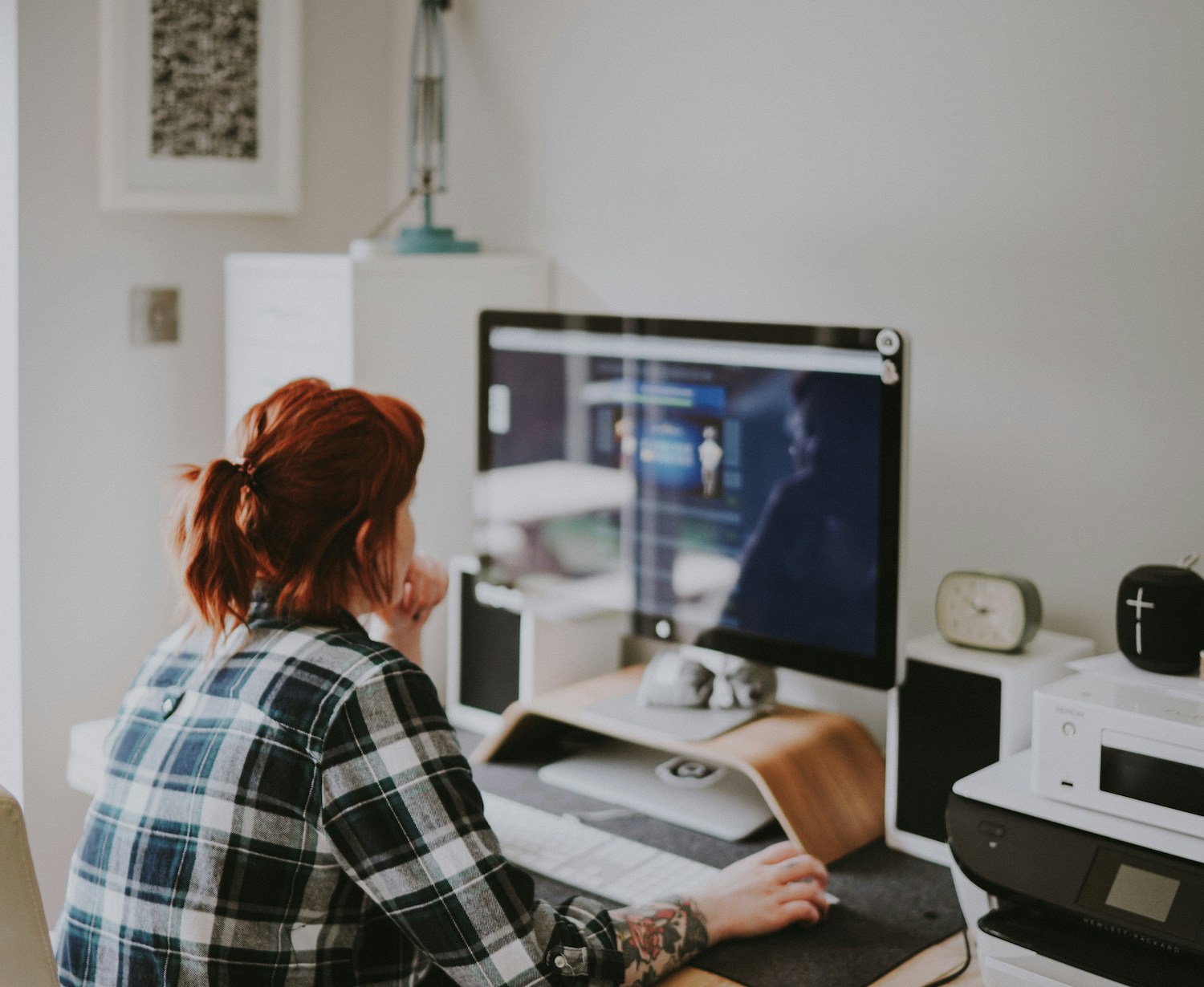
It is tempting to prioritise style over substance in a small apartment, but your back will disagree. Ergonomics is simply the science of fitting the task to the human. In a small space, an ergonomic office chair is your most important asset.
Look for a chair with adjustable height and armrests. If a full-sized office chair feels too imposing for a small living room, consider a task chair with a lower back profile. The goal is to maintain a neutral spine position, with feet flat on the floor and elbows at a 90-degree angle.
The Micro-Renovation: Creating a Permanent Nook
If you own your home and are ready for a more permanent solution, you might be sitting on hidden square footage without realising it. Transforming a small area into a dedicated “cloffice” (closet office) or alcove workspace can add value to your property and your mental health.
The Under-Stair Office
The space beneath a staircase is frequently wasted storage for vacuum cleaners and old coats. With some custom joinery or a simple pre-bought desk, this triangular recess can become a cosy, secluded workspace. Good lighting is essential here, as these spots can be dark. Install warm LED strips or a high-quality desk lamp to reduce eye strain.
The Closet Conversion
Converting a built-in wardrobe into an office is a brilliant way to hide your work at the end of the day. By removing the hanging rails and installing deep shelves, you create a desk and overhead storage. The best part? When you clock off, you simply close the doors, and your office disappears. This psychological separation is vital for maintaining a healthy work-life balance in a small home.
Vertical Storage Solutions
In small renovations, think up, not out. use wall-mounted pegboards to hold stationery, headphones, and cables. Floating shelves above your monitor can house books and plants, adding personality without cluttering your desk surface. Keeping the floor clear makes the room feel larger and more open.
Light, Air, and Atmosphere
Productivity isn’t just about furniture; it’s about how the space feels. A cramped corner can feel suffocating if not managed correctly.
- Lighting: Natural light is the gold standard. Position your desk perpendicular to a window if possible to avoid glare while enjoying the view. If you are in a windowless corner, use a daylight-simulating bulb to keep energy levels up.
- Greenery: A small succulent or a trailing pothos plant takes up minimal space but significantly improves air quality and mood.
- Airflow: Small spaces get stuffy quickly. If you can’t open a window, a small, quiet desk fan can keep the air moving and help you stay alert.
Making Your Small Space Work for You
Optimising a small home office requires a shift in perspective. It is about prioritising function and being ruthless with clutter. By choosing the right home office chair, selecting smart office desks for home use, and perhaps getting creative with a drill and some shelving, you can build a workspace that supports your career goals without taking over your living room.
Remember, productivity doesn’t require a palace. It requires a space where you can focus, create, and feel comfortable. Start small, make one change today, and watch how your workday improves.