





When the Crowd Moves, the Shopping Basket Moves With It
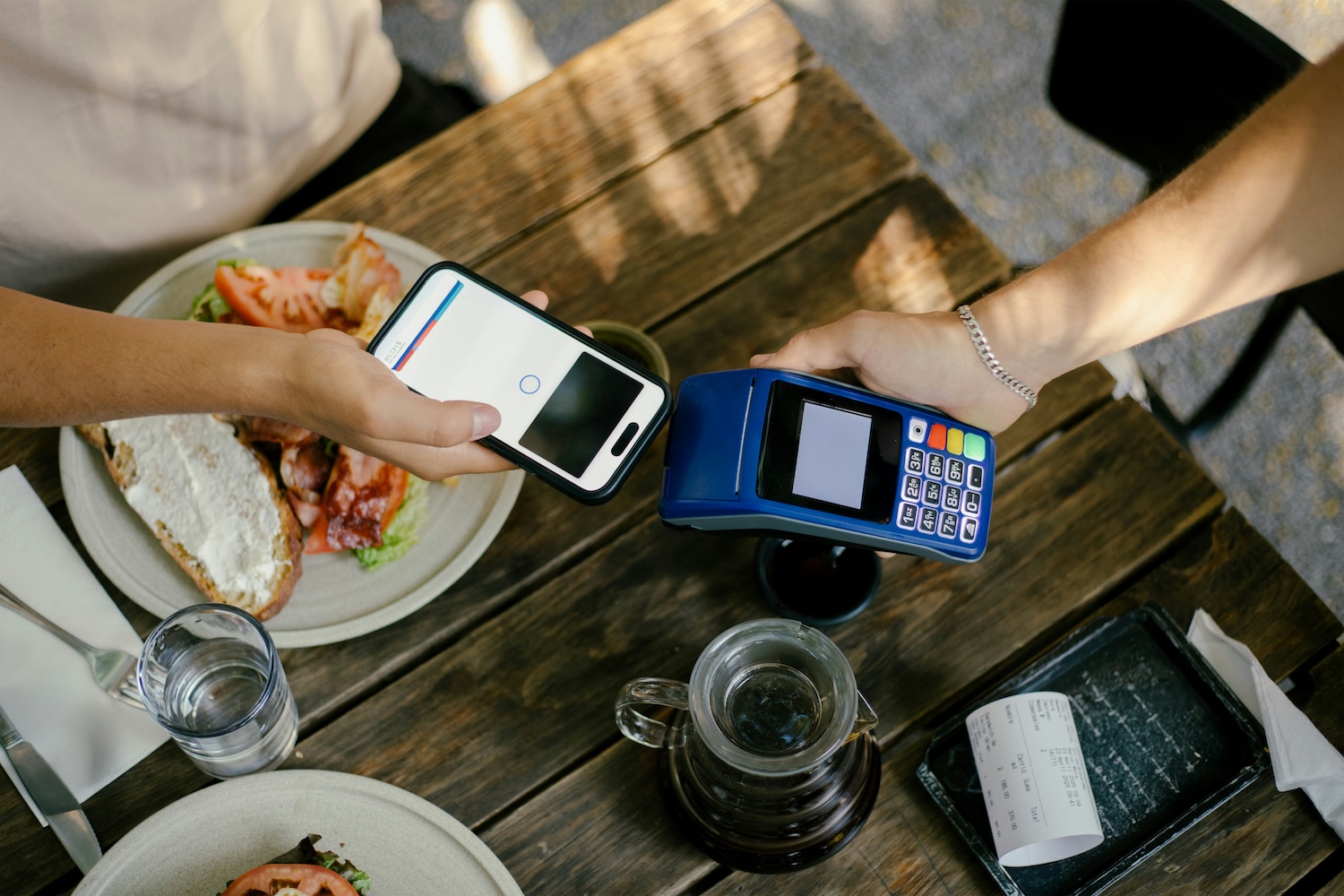
Major sporting events compress consumer demand into a few hours, then spread it across groceries, restaurants, transport, merchandise and mobile services. The lift can be sharp. During the opening weekend of Paris 2024, Visa cardholders increased sales at small Paris businesses by 26% year on year, while 78% of international purchases were contactless.
Retailers do not benefit automatically. A stadium district, suburban supermarket and ecommerce site experience different peaks, product mixes and staffing problems. The practical task is to map demand to the event clock: preparation before the fixture, convenience buying during play and celebration or travel spending afterward. Stores that treat the whole tournament as one long promotion miss those smaller and more profitable windows.

The Opening Whistle Redistributes Existing Budgets
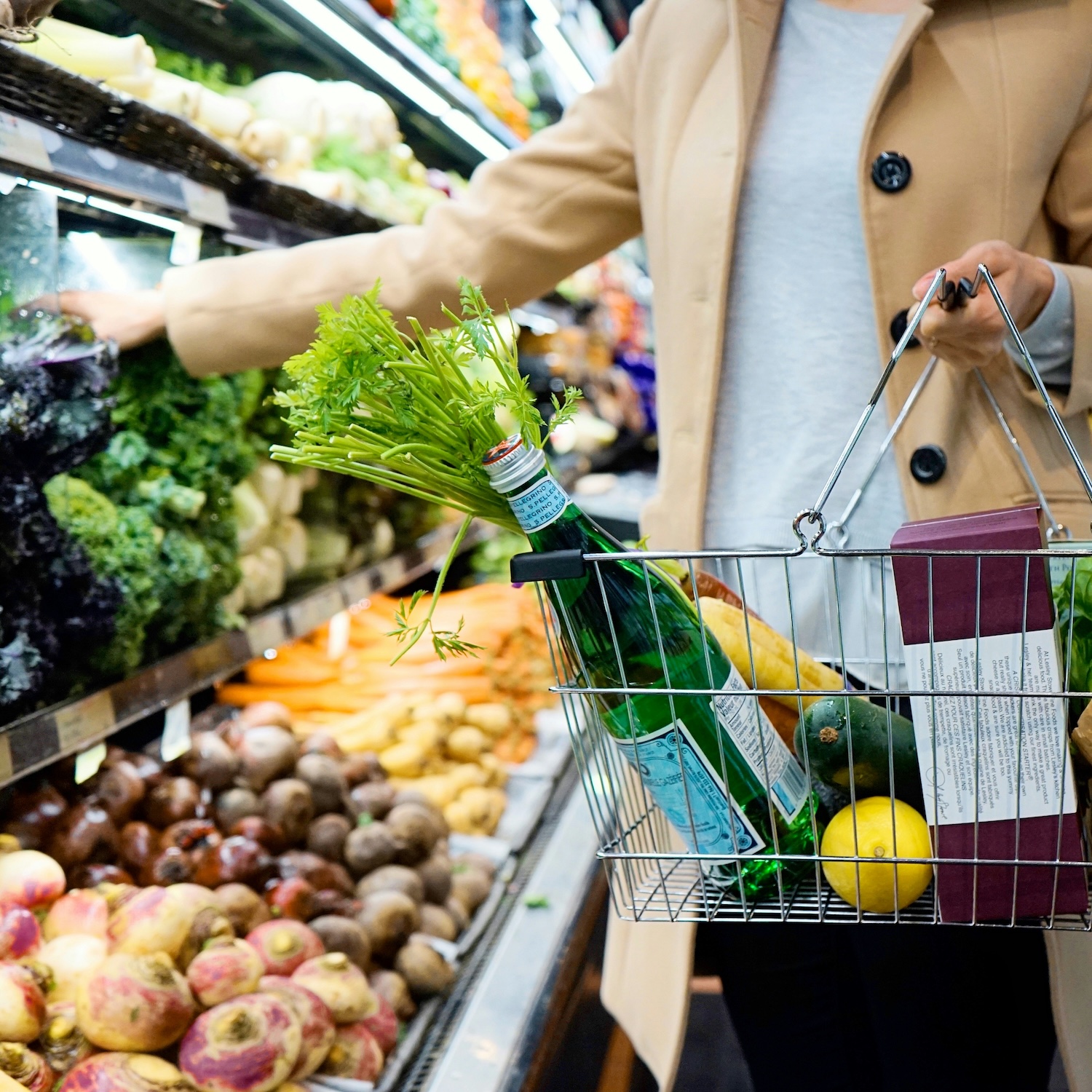
Sport often changes where and when people spend before it changes how much they spend. Host-city visitors move money toward accommodation and restaurants, while viewers at home favour food, drinks, delivery and screen-adjacent purchases.
Paris 2024 offers a clean illustration. Visa’s final event analysis found that cardholders who attended competitions spent 20% more than those who did not. Restaurant spending in Paris rose 49% year on year in the same dataset. Those figures measure Visa activity rather than the entire economy, yet they show why retailers need location and customer-origin data before declaring a universal “Olympic boost.”
| Event phase | Likely retail demand | Operational signal | Retail response |
| Days before | Apparel, flags, food, electronics | Search and preorder growth | Build bundles and reserve stock |
| Hours before | Convenience, transport, quick service | Footfall near venues and hubs | Shift labour and shorten queues |
| During play | Delivery, snacks, mobile activity | App sessions and basket spikes | Protect checkout speed |
| After the result | Hospitality, souvenirs, returns | Result-dependent demand | Use flexible offers and replenishment |
One Match Can Redraw a City’s Heat Map
The strongest event effects are often hyperlocal. Mastercard Economics Institute estimated that restaurant and bar spending within three kilometres of Wembley rose 7.4% above its modelled baseline around the 2024 Champions League final.
The Euro 2024 final in Berlin produced a larger concentration: spending at restaurants and bars within three kilometres of the stadium was reported at 130% above the expected level. Cross-border card activity supplied much of that increase. Retail operators should therefore plan by travel corridor, fan origin and venue radius, not just by national television audience.
Cricket Supplies More Than One Conversion Window
Cricket stretches retail attention across the toss, powerplay, innings break and final overs. Each moment changes what a fan knows and how urgently a mobile service must respond. A shopper exploring a cricket bet online market may compare pre-match prices with live odds after team news or an early wicket. The odds movement reflects new information, while a retail app faces the same expectation for current stock, accurate delivery time and a checkout that does not stall. Bankroll limits remain separate from shopping budgets, yet both journeys punish stale data and unnecessary taps.
The Second Screen Is Now the Shop Window
Live sport no longer holds attention on one device. Viewers check scores, message friends, order food, watch clips and search for player information without leaving the match for long.
Fast product architecture decides whether second-screen attention survives. Retail and sports users both scan changing information on small displays. The Melbet sports betting interface reflects that pressure because fixtures, live markets, prices and account actions must remain legible. In-play prices can shift after a wicket or boundary, so timestamps and bet-slip confirmation reduce ambiguity. Retailers need equivalent controls for inventory status, delivery slots and price changes.
Inventory Should Follow the Fixture, Not the Month
Tournament demand carries a high forecast error because results change the next round’s audience. A host nation’s elimination can weaken merchandise or celebration sales overnight; an unexpected run can exhaust stock before replenishment arrives.
Retail teams can reduce that exposure with a short list of controls:
- separate guaranteed base demand from result-dependent upside;
- stage stock near likely hotspots instead of distributing it evenly;
- monitor search, app sessions and basket additions by hour;
- hold creative assets for both advancement and elimination;
- cap markdown risk on dated or team-specific merchandise.
The aim is not perfect prediction. It is a supply plan that can absorb a surprise without leaving shelves empty or warehouses full of yesterday’s result.
Prove the Lift Before Claiming the Win
Raw sales during a final do not prove incremental demand. Weather, payday timing, tourism, discounts and the comparison period can all inflate the headline.
A better measurement design uses matched stores, normal-week baselines and customer-origin data. Mastercard’s 2026 analysis of the 2025 Tokyo Marathon estimated USD 100 million in incremental consumer spending over three days and found spending near the finish about 7% above a typical non-marathon weekend. That wording matters: “incremental” requires a counterfactual, while a year-on-year increase only describes a difference. Retailers should set the baseline before the event, then judge footfall, conversion, average order value and margin together.