






UK shoppers are more deliberate with their money than ever before. Rising living costs, easy access to information, the rise of digital financial health tools, and a growing interest in budgeting have all changed how people decide what to buy, where to buy it and when.
For you as a retailer, the key is to understand that this is not a passing trend. Learning how smarter spending habits are shaping behaviour on the high street and online can help you adapt your offer, protect your margins, and keep customers coming back. Here are seven shifts to be aware of, and what you can do about each one.

Shoppers Plan Before They Buy
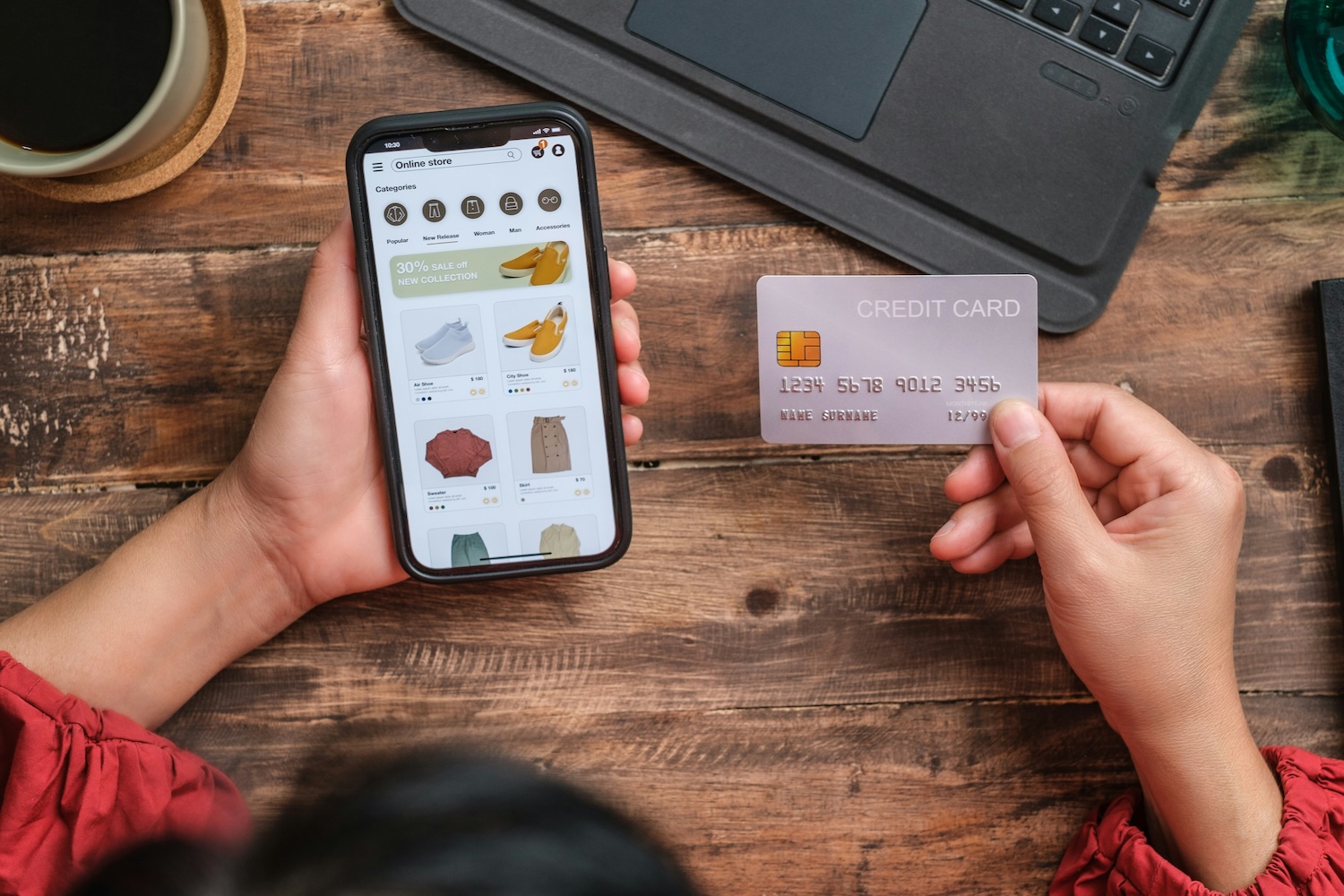
Impulse buying hasn’t disappeared, but you will notice more customers arriving with a list, a budget, and a clear idea of what they want. Many have already researched the product, read reviews and decided what they are willing to pay before they step into your store or land on your website.
What you can do: Make planning easy. Keep product information clear, stock levels accurate and prices visible. The more confident you make shoppers feel about their choice, the shorter the path to purchase becomes. However, be aware that impulse buying remains more popular when shopping in-store. To take advantage of this behaviour, use strategies such as buy-one-get-one-free, check-out treats, and offers on bulk orders. These offers make the customer feel like they’re getting a bargain, giving them a simple reason to add one more item to the basket without second-guessing the spend.
Value Matters More Than the Lowest Price
Cheap isn’t always the goal, especially in today’s marketplace, which is filled with mass-produced, fast-fashion, or trendy but low-quality items. Consumers now weigh up quality, durability, and service alongside cost, and many will happily pay more for something that lasts.
What you can do: Show your value. Highlight materials, guarantees, repair options, and customer service. If your prices are higher than a competitor’s, explain why in plain language, and let your customers see what they are getting for their money.
Apps Are Becoming Part of Everyday Money Management
Budgeting and money management apps have become the norm. Your customers may now track their spending, set limits for categories like clothing or groceries and plan purchases around what they can comfortably afford. If you want to understand the kind of tools shaping these habits, take a look at how buyers now spend money smarter with 118M8 or similar apps that support more mindful spending.
What you can do: Expect customers to be more aware of their balances and limits. Offer transparent pricing, clear checkout totals, and flexible payment options so shoppers can fit your products into their plans without any surprises.
Price Comparison Happens in Seconds
Smartphones mean your customers can compare your prices with your competitors’ while standing in your aisle. Price-checking has become extremely easy and, in some cases, automatic. Shoppers no longer feel awkward doing it in front of you, and they might even check against major retail platforms such as Amazon.
What you can do: Review your pricing regularly and consider price matching on key lines. Then focus on what competitors can’t easily copy, such as expertise, convenience, local knowledge, and personal service. Make sure your online listings match in-store prices so customers never feel confused or misled.
Loyalty Has to Be Earned
Shoppers are quick to switch when a better deal appears, but they will stay when they feel rewarded and valued. Sure, a basic points scheme is rarely enough on its own, but you can make a difference with rewards that your customers can actually use and offers that reflect what they really buy.
What you can do: Keep your loyalty offer simple, but provide added value through meaningful discounts, early access to sales, or small perks that make people feel recognised. Use purchase data sensibly to send relevant offers rather than generic messages that get ignored.
Second-Hand and Sustainable Choices Are Part of Smart Spending
For many UK consumers, spending smarter means buying less, buying better, and sometimes buying second-hand. In fact, 48% of UK consumers bought secondhand clothing or accessories in the past year, according to Bain & Company. Resale platforms, repair services, and refurbished products are growing in popularity because they save money and reduce waste at the same time.
What you can do: Consider whether trade-in schemes, repair services, refurbished ranges, or rental options could work for your business. These can bring in new customers, increase repeat visits and build trust with shoppers who want to spend responsibly.
Experience and Convenience Justify the Spend
Even careful spenders will part with their money when an experience feels worthwhile. Fast delivery, easy returns, helpful staff, and a pleasant shopping environment all help a purchase feel like money well spent.
What you can do: Remove friction wherever you find it. Streamline your checkout, make returns straightforward and train your team to be helpful rather than pushy. Small service improvements often make a bigger impression than a small price cut.
The Bottom Line
Smarter spending isn’t about shoppers buying less out of fear. It’s about them buying with more intention. Customers who plan, compare and track their money are looking for retailers who are honest, flexible, and clear about the value they offer.
So, to stay relevant, get started by adapting the strategies above. For more guidance and insights into the retail market, find more resources at Retail Focus.