





The rising inflation rate, high living costs, and economic uncertainty reshape consumer behaviour and preferences. And retaining shoppers remains a crucial challenge for retail businesses in 2026.
The combination of personalisation and loyalty programs amplifies mobile app retention. Both are familiar practices for the retail industry. However, for them to work effectively, marketers should plan everything properly. Let’s discuss how reward systems can help ramp up your retail app marketing.
Mobile App Retention – A Central Retail Strategy in 2026?
Up until recently, attracting a new audience took centre stage in the retail industry. Today, businesses invest heavily in retaining loyal customers rather than acquiring new ones. In parallel, people now spend over 85% of their time in mobile apps, so we can call it the primary marketing channel.
Our findings show that a slight increase in retention, 5%-6%, may boost the company’s profits by at least 25% (up to 90%, actually). Retailers say shoppers who use applications tend to stick around longer and repeat purchases. The priority and direction seem obvious, but many brands now have mobile apps, and the competition continues to grow. You need to stand out from the crowd to be noticed.
Also, we shouldn’t forget that customer attention shifts swiftly. Today, shoppers like your offerings and how you comfort them. Just one poor experience, and they go where their loyalty is more valued and rewarded. Such shifts challenge marketers and force them to invent strategies that deliver exceptional experiences. Reward systems promise a more sustainable future – this deepens customer loyalty.
Personalisation is Critical
Putting shoppers at the centre is hardly a groundbreaking approach or differentiator. In 2026, it’s an expectation.
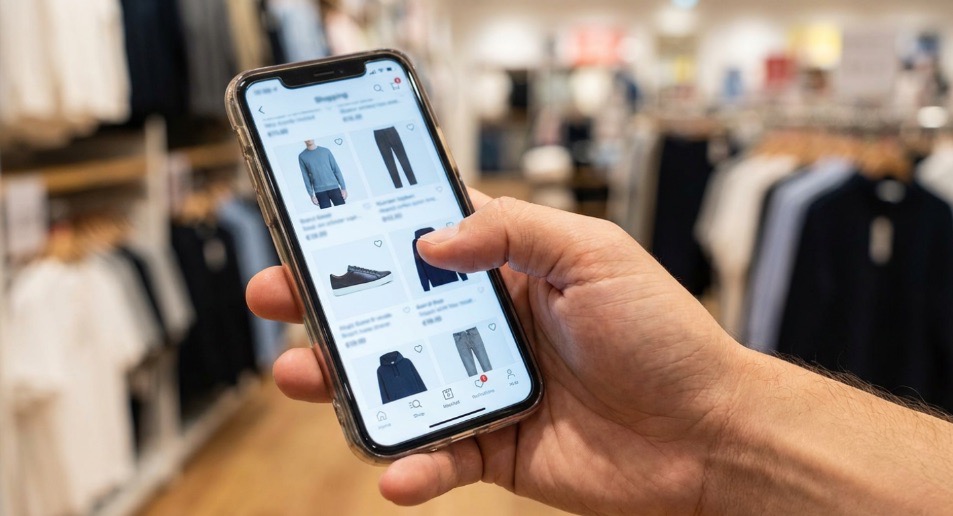
By analysing requests and purchase history, retailers deliver time-sensitive promos and personalised rewards. When the customer sees product recommendations that resonate, they feel their intent is matched. Nobody’s forcing anything, so they don’t tap away. They stay.
Specialised AI software helps brands anticipate shopper needs and provide timely offers. Tailored interactions increase engagement rates and improve retention.
Gamification in Mobile Apps – Lasting Strategy or Passing Trend?
The integration of game-like elements is no longer an innovation, either. These are the staples of effective marketing in 2026, whatever the industry. For example, regular players of the best poker app software can get chests with random rewards. Starbucks launched the Starbucks for Life game to travel through cities, win free drinks, and earn bonus stars for the Rewards programme.
In the retail business, gamification is often a broad term for all loyalty and reward system mechanics applied to improve user retention in mobile apps. Some dominate, and these are the following:
- daily check-ins – rewards every 24 hours;
- spin and win – instant prizes work for quick conversions;
- quizzes and mini games – work for long-term user retention.
How do they work? Shoppers establish an emotional connection with the brand. Soon, every morning starts with a cup of tasty coffee and the completion of the daily challenge. This creates some kind of ritual. Such automatic behaviour soon leads to one’s shopping experience.
The Role of Reward Systems in Using Retail Apps
We often see that gamification in mobile apps intertwines with tiered rewards and loyalty schemes. Programmes with exclusive perks, like early access to products, catalyse ongoing engagement. See how retailers integrate these tools & instruments in mobile apps to drive user retention.
Tiered Rewards & Loyalty Schemes
Shoppers themselves agree that loyalty programs influence repeat purchases. Multi-level bonus systems are the gold standard in marketing nowadays. Local niche retailers and market giants apply these schemes. Among the most prominent examples of reward systems in apps is Sephora’s Beauty Insider.
However, how brands approach these programs differ, but usually the following elements are in place:
- Distinct levels, such as Silver, Gold, Platinum, VIP, etc.
- Clear entrance thresholds: “Spend £250 per month,” or “Collect 500 LP”.
- Free birthday gifts and discounts.
- Points redemption to gifts, coupons, and discounts.
Let’s explore a set of psychological triggers that work for marketing effectiveness:
- The Fear of Missing Out (FOMO). Exclusive and time-limited deals hasten decision-making. Shoppers buy products they might usually delay.
- Social status labels. Progressing across tiers fosters a sense of belonging to a more prestigious community. This is what makes people feel elite and special.
- Fear of losing. Losing a loyalty status or individual perk is often a big disappointment for the user. Some are even ready to purchase unnecessary goods to keep the tier.
Streaks & Missions
The best example is the coins you get from daily logins to your AliExpress account. Sometimes, such systems require completing a specific mission to progress. Streak mechanics are a way to build habits. As a result, the customer is likely to make the next purchase in this app. Choosing another retailer will feel like losing investments. This is how the endowment effect develops.
Cashback Mechanics
The pain of paying is among the most important customer pain points retail tries to combat. Cashback schemes boost customer loyalty, as shoppers get some of their spending back. The retailer doesn’t lose anything as the funds are tied to its ecosystem and can only be spent on next purchases.
It’s a powerful instrument in mobile app retention, and it’s easy to understand. Cashback incentives may encourage the first-time buyer to return to claim their tangible benefit. This is a simple and transparent way to connect with your clientele. It outperforms traditional points systems – they often miss the mark.
Which Retail Businesses Will Be on Top in 2026?
The successful retailer in 2026 is the one that gets user attention and involvement. Long-term.
Various mini-games, statuses, rituals, and other reward schemes build a loyal audience around the brand. All these strategies have already proven their efficiency. Same opportunities, but only the brands which move from planning to execution the fastest will succeed.
Product recommendations should resonate with individual customers. Any retailer which wants to stand out from the competition in 2026 has to provide a personalised experience in its mobile app. The experience must be exceptional and give something the shopper won’t find elsewhere.