





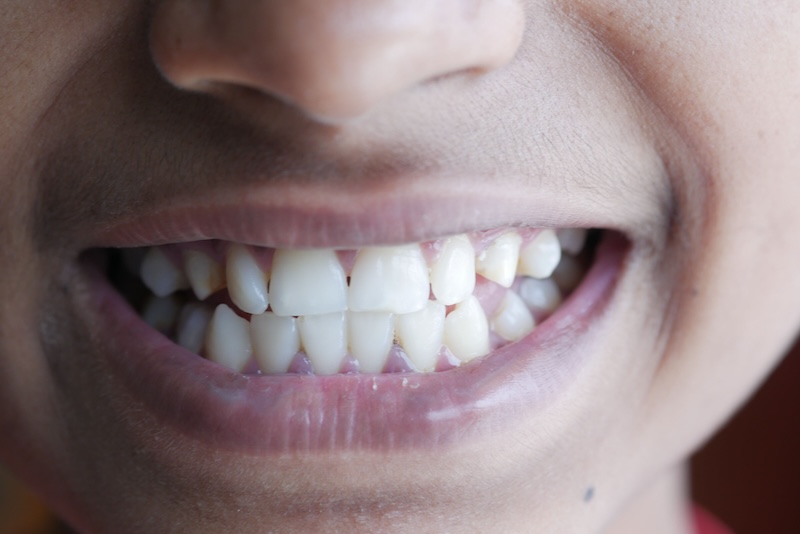

An uneven bite can affect more than a smile. Poorly positioned or crowded teeth can make it harder to chew, cause difficult-to-clean spots, or subject some teeth to uneven pressure.
These may also complicate day-to-day oral care as time goes by. You may also notice food stuck between teeth, poor brushing angles, or soreness in places that are not easily accessible.
Mild tooth correction provides a controlled way to improve tooth placement while keeping comfort and hygiene in perspective. Clear aligners can move certain teeth through planned steps, and you may take them off when you eat, brush, and floss. The right plan is determined by your bite, gum condition, and the general health of your teeth.
This article describes how gentle tooth realignment can help achieve improved occlusion, simplified plaque management, healthier gums, and healthier everyday function. It also demonstrates the reason behind the importance of professional evaluation prior to any alignment plan initiated in relation to your needs.
1. Improve Bite Balance
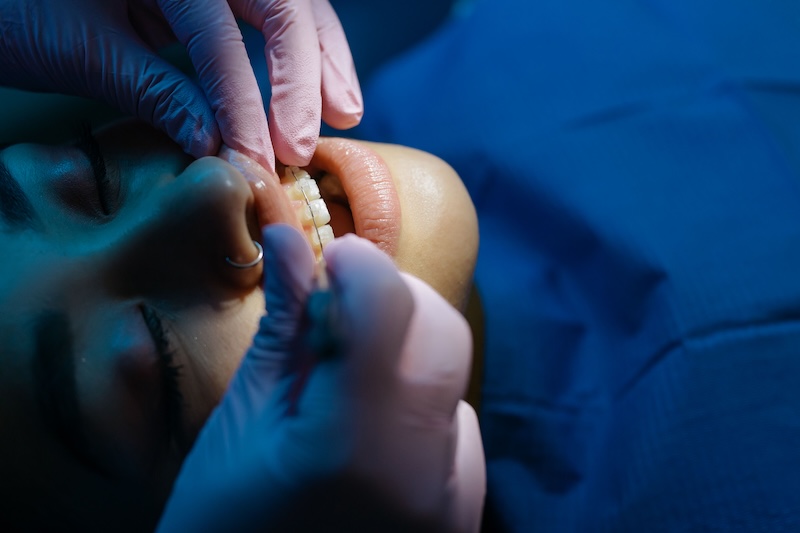

If you are exploring teeth straightening, consider more than appearance. Realignment can improve how upper and lower teeth meet when crowding or spacing affects your bite. A dentist assesses tooth positions and occlusion before treatment.
Balanced occlusion can distribute chewing forces more evenly. When selected teeth move into better positions, your bite may become more coordinated during chewing and closing. Clear aligners can address suitable alignment concerns through planned stages.
Your treatment plan should match your specific bite. Clear aligners are not suitable for every type or severity of malocclusion. A professional assessment helps determine whether aligner treatment can address your particular alignment and occlusal needs.
2. Support Gum Health
Crowded teeth may produce small spaces where it is harder to remove plaque. With better positioning, you can have an easier time brushing and flossing. Surface cleaners can help reduce conditions that may cause plaque-related gum irritation.
Removable clear aligners enable you to brush and floss without having to avoid any fixed brackets and wires. That can make daily hygiene easier during treatment. Nevertheless, oral health remains the key to good gum health.
Daily care is still required in order to maintain good gum health. Take out aligners at mealtime, brush and floss, and consult a professional for hygiene tips. When plaque remains around the gumline, tooth alignment alone cannot prevent gingivitis.
3. Simplify Daily Hygiene
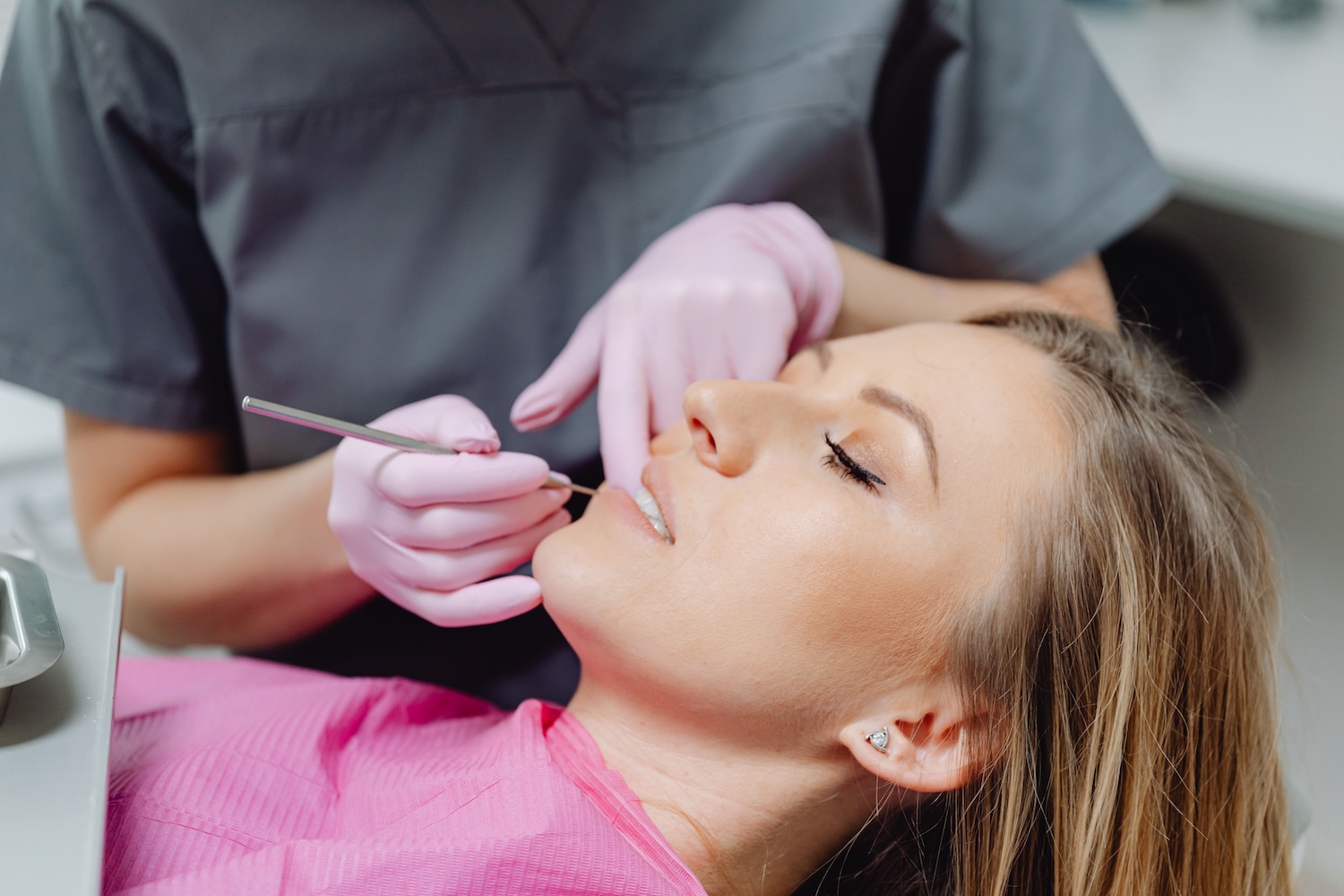
Overlapping or closely fitting teeth may need a little more attention when brushing. Realignment can establish a more organised pattern and improve access to surfaces that were once cumbersome to clean.
Removable aligners are another convenient option. You need not brush and floss on top of wires and brackets but can remove trays first. Regularly brush your teeth and then change the aligners.
Continue cleaning aligners as instructed and go to dental check-ups. Another source of build-up can be poor tray hygiene. Good outcomes require a combination of appropriate treatment design and daily care.
4. Guide Controlled Movement
Gentle realignment involves the use of planned forces as opposed to random movement. Every aligner is specific to each tooth and designed according to your treatment goals. Digital planning helps determine how each tooth should move throughout the treatment.
The spacing, crowding, and chosen bite issues can be overcome without the use of visible metal brackets through controlled movement. An individualised plan maintains tooth movement that is tailored to your dental requirements and treatment objectives.
How you respond to treatment is also important. Put on aligners and wear them as long as they are advised. Periodic check-ups enable your dental team to evaluate progress and make changes when necessary.
5. Protect Long-Term Function
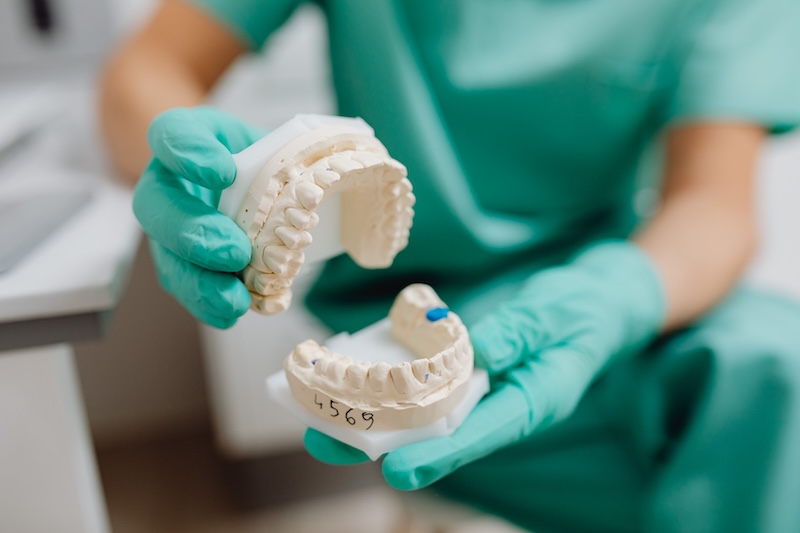
Realignment must not be just a cosmetic change. Improving the positions of your teeth can help you achieve a more comfortable bite and make daily cleaning easier. The objective is a consistent outcome that supports your broader oral-health requirements.
Gum condition needs to be considered before and during treatment. If there is inflammation or periodontal issues, these issues might require attention first. A healthy foundation provides your dentist with a better basis for safe alignment.
Retention helps maintain the new tooth positions after treatment. A retainer can be suggested by your dentist, and its use can be explained. Frequent brushing, flossing, and periodic check-ups also serve as a way of keeping your teeth and gums safe.
Conclusion
Gentle tooth realignment might help maintain a more harmonious occlusion and simplify some of the daily cleaning routines. Clear aligners have advantages such as removable treatment and predetermined tooth movement, but the suitability varies based on your bite, position of teeth, health of gums, and objectives of treatment. The process of oral hygiene is crucial as well.
When considering alignment, it is recommended to begin with a professional assessment, instead of selecting treatment due to appearance alone. Ask about your bite, how your gums will be protected, and how the result will be maintained. An individual strategy can assist in harmonising comfort, functionality, hygiene, and long-term oral health in the long term.