





Understanding the Link Between Aluminium Cladding and Energy Efficiency
Aluminium cladding has become one of the most popular exterior building materials in modern construction, not only for its sleek appearance but also for its impressive energy‑saving benefits. As businesses and homeowners look for ways to reduce energy consumption, lower heating bills and create more sustainable buildings, aluminium cladding offers a practical and highly effective solution. Its unique material properties, combined with advanced installation methods, help regulate internal temperatures, reduce heat loss and improve overall building performance. When planned and used correctly, Vulcan Cladding Systems aluminium cladding can significantly enhance the energy efficiency of both commercial and residential properties, making it a smart long‑term investment.
How Aluminium Cladding Reduces Heat Loss in Buildings
One of the key reasons aluminium cladding improves energy efficiency is its ability to reduce heat loss. Buildings naturally lose heat through their external walls, especially during colder months. Aluminium cladding acts as an additional protective layer, helping to minimise the amount of heat that escapes. When installed as part of a ventilated façade system, aluminium panels create a barrier that traps warm air and prevents cold air from penetrating the building. This reduces the need for excessive heating, lowers energy consumption and helps maintain a comfortable indoor environment. For properties in the UK, where temperatures fluctuate throughout the year, this added insulation can make a noticeable difference to energy bills.
Why Aluminium Cladding Supports Better Thermal Regulation
Thermal regulation is essential for maintaining a stable indoor climate, and aluminium cladding plays a crucial role in achieving this. The material is designed to work with insulation layers behind the panels, creating a system that helps regulate temperature more effectively. During warmer months, aluminium cladding reflects a portion of the sun’s heat, preventing buildings from overheating. In colder months, it helps retain warmth by reducing thermal bridging. This balanced performance ensures that heating and cooling systems do not have to work as hard, improving energy efficiency and reducing strain on HVAC equipment. The result is a more comfortable living or working environment with lower running costs.
The Role of Ventilated Façade Systems in Energy Efficiency
Ventilated façade systems are commonly used with aluminium cladding and are known for their exceptional energy‑saving capabilities. These systems create a small air gap between the cladding panels and the building’s exterior wall. This gap allows air to circulate, helping regulate temperature and reduce moisture build‑up. The ventilation effect prevents heat from becoming trapped during summer and reduces heat loss during winter. By improving airflow and reducing temperature fluctuations, ventilated façades help buildings maintain consistent internal conditions. This contributes to lower energy usage and enhances the overall performance of the building envelope. Aluminium cladding is particularly effective in these systems due to its durability, lightweight structure and excellent thermal behaviour.
How Aluminium Cladding Enhances Insulation Performance
Although aluminium itself is not an insulator, it works in combination with insulation materials to create a highly efficient thermal barrier. When aluminium cladding is installed, insulation boards are placed behind the panels to improve thermal resistance. The cladding protects the insulation from weather damage, UV exposure and moisture, ensuring it performs at its best for many years. This combination of materials helps reduce heat transfer, keeping buildings warmer in winter and cooler in summer. Improved insulation performance means less reliance on heating and cooling systems, which directly contributes to lower energy consumption and reduced carbon emissions.
Why Aluminium Cladding Prevents Moisture and Damp Problems
Moisture is one of the biggest threats to energy efficiency. When damp penetrates a building, it can weaken insulation, reduce thermal performance and increase heating costs. Aluminium cladding provides excellent protection against moisture by creating a weather‑resistant barrier around the building. Its non‑porous surface prevents rainwater from seeping into the structure, while ventilated façade systems allow any trapped moisture to escape. This helps maintain the integrity of insulation materials and prevents damp‑related issues such as mould growth and structural damage. By keeping the building dry and protected, aluminium cladding supports long‑term energy efficiency and reduces maintenance costs.
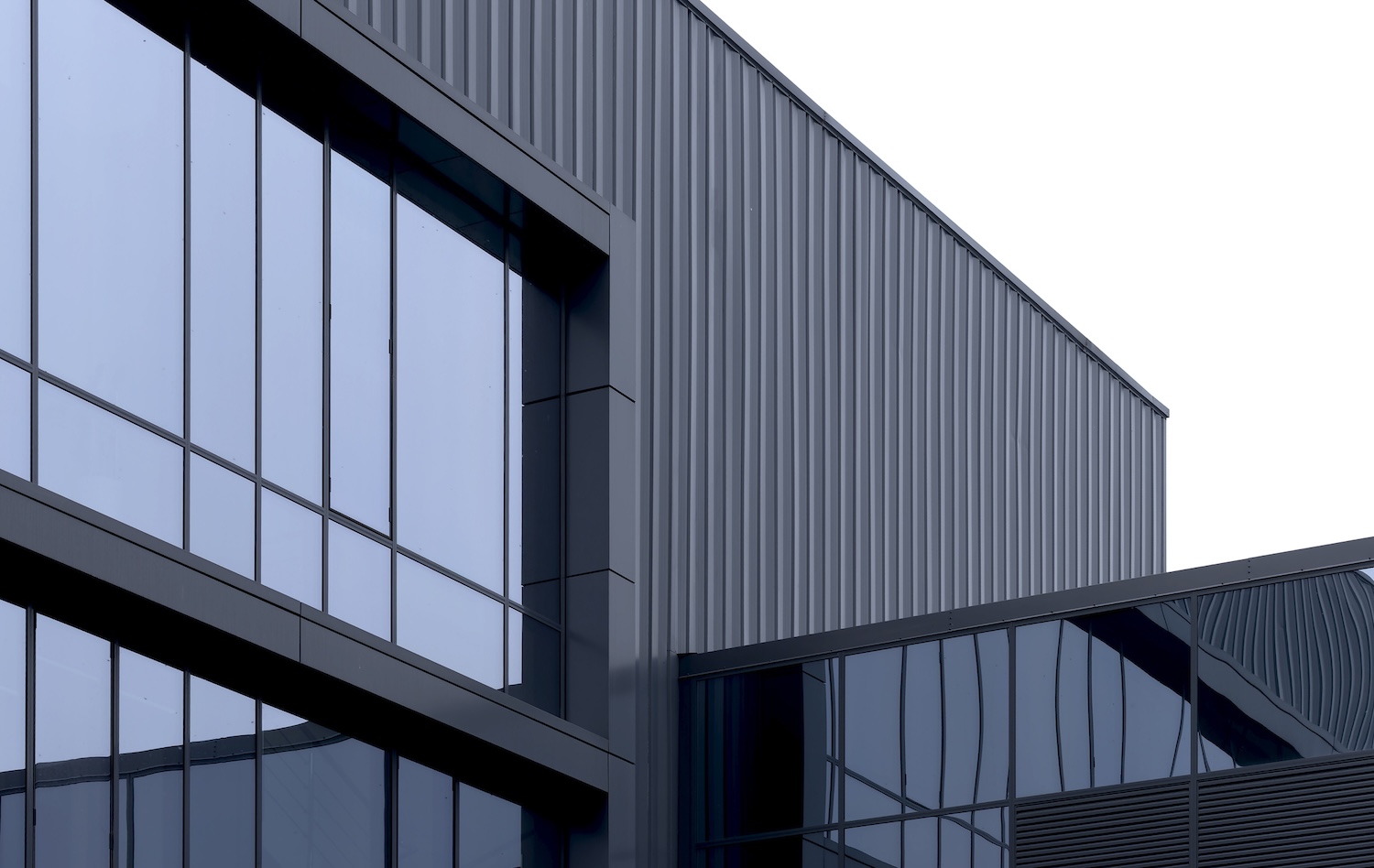
The Reflective Properties of Aluminium and Their Energy Benefits
Aluminium is naturally reflective, which makes it highly effective at reducing heat absorption from sunlight. This is particularly beneficial for buildings exposed to direct sunlight or located in warmer climates. The reflective surface helps prevent overheating by bouncing solar radiation away from the building. This reduces the need for air conditioning and helps maintain a comfortable indoor temperature. Even in the UK, where temperatures vary, the reflective properties of aluminium can help reduce heat gain during summer months. This contributes to improved energy efficiency and supports sustainable building design.
How Aluminium Cladding Supports Sustainable Construction
Sustainability is a major consideration in modern construction, and aluminium cladding aligns perfectly with eco‑friendly building practices. Aluminium is fully recyclable, meaning it can be reused repeatedly without losing quality. This reduces waste and supports circular economy principles. In addition, aluminium cladding systems are designed to last for decades, reducing the need for replacement and lowering the environmental impact of building maintenance. By improving energy efficiency, aluminium cladding also helps reduce carbon emissions associated with heating and cooling. For businesses and homeowners looking to meet sustainability targets, aluminium cladding offers a practical and environmentally responsible solution.
The Long‑Term Cost Benefits of Aluminium Cladding
Improved energy efficiency leads to long‑term cost savings, and aluminium cladding is an excellent investment for reducing energy bills. By lowering heat loss, improving insulation performance and reducing reliance on heating and cooling systems, aluminium cladding helps keep running costs down. Its durability means it requires minimal maintenance, further reducing expenses over time. Although the initial installation cost may be higher than some traditional materials, the long‑term savings make aluminium cladding a cost‑effective choice. For commercial properties, these savings can be significant, especially when combined with improved building performance and reduced maintenance requirements.
Why Aluminium Cladding Is Ideal for Modern Building Design
Modern architecture prioritises energy efficiency, sustainability and visual appeal, and aluminium cladding meets all of these requirements. Its sleek appearance enhances the aesthetic of any building, while its thermal performance supports energy‑efficient design. Aluminium cladding is available in a wide range of colours, finishes and styles, allowing architects and property owners to achieve the look they want without compromising on performance. Whether used on residential homes, commercial buildings or industrial facilities, aluminium cladding provides a versatile and effective solution for improving energy efficiency.
Achieving Better Energy Performance With Professional Installation
To maximise the energy‑saving benefits of aluminium cladding, professional installation is essential. A qualified installer will ensure that insulation is correctly placed, ventilation gaps are properly aligned and panels are securely fitted. This prevents thermal bridging, improves airflow and enhances the overall performance of the cladding system. Professional installation also ensures compliance with building regulations and guarantees long‑lasting results. By choosing an experienced team, property owners can enjoy the full energy‑efficiency benefits of aluminium cladding and protect their building for years to come.
Why Aluminium Cladding Is a Smart Choice for Energy‑Efficient Buildings
Aluminium cladding offers a powerful combination of durability, sustainability and thermal performance. Its ability to reduce heat loss, improve insulation, regulate temperature and protect against moisture makes it an excellent choice for energy‑efficient building design. Whether you are upgrading an existing property or planning a new build, aluminium cladding provides long‑term benefits that support comfort, sustainability and cost savings. With professional installation and high‑quality materials, aluminium cladding can transform the energy performance of any building and contribute to a more efficient future.