





Child resistant packaging is no longer a niche compliance requirement. In 2026, it has become a core expectation across retail sectors including pharmaceuticals, vaping, cleaning products, supplements, and certain chemical-based goods. As regulations tighten and consumer safety standards rise, retailers must ensure packaging is both compliant and practical.
This guide explains what child resistant packaging is, why it matters, and how retailers can choose effective solutions—particularly child resistant bottles—to meet modern safety requirements.
Why Child Resistant Packaging Matters More in 2026
Retail products are more diverse and widely accessible than ever, especially through e-commerce. This increases the risk of accidental exposure to harmful substances, making secure packaging essential.
Child resistant packaging is designed to reduce the likelihood of young children accessing dangerous contents. In 2026, its importance is driven by stricter regulation, expanded product categories, and growing consumer expectations around safety. For retailers, compliance is now a fundamental responsibility rather than an optional feature.
What Child Resistant Packaging Is
Child resistant packaging refers to containers designed to be difficult for young children to open within a reasonable time, while still being usable by adults.
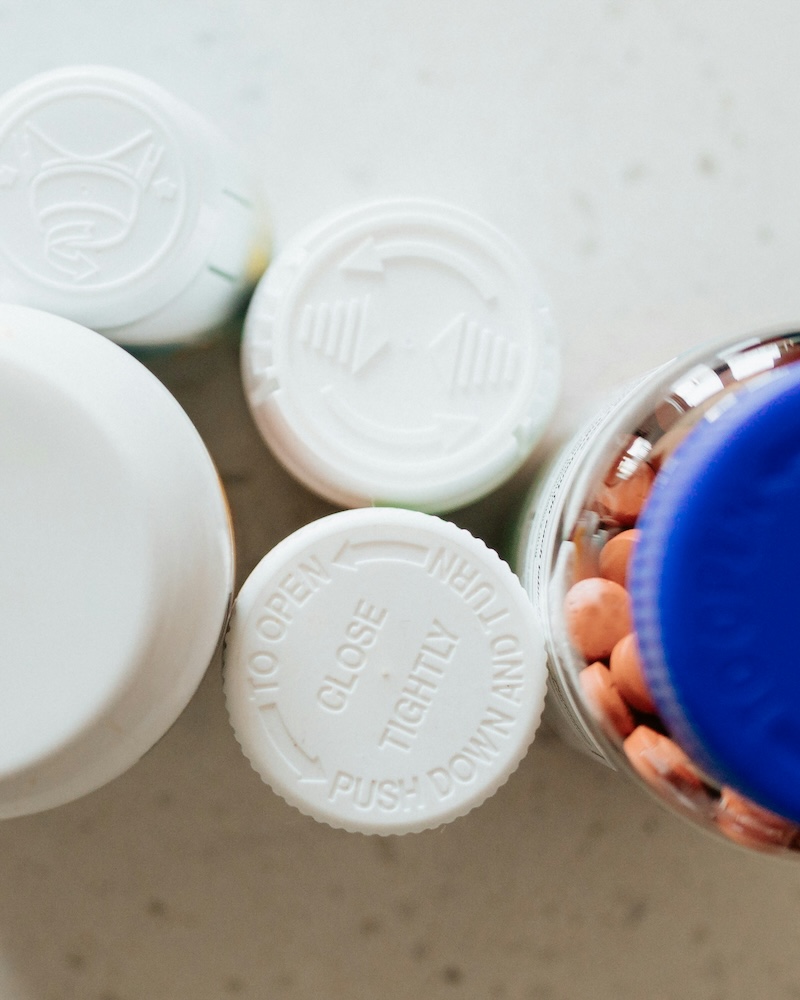
It is not intended to be completely “child-proof”, but to require a level of dexterity, strength, or coordination that young children typically do not have. Common mechanisms include push-and-turn caps, squeeze-and-turn closures, and locking systems.
This type of packaging is tested under controlled conditions to ensure it meets recognised safety standards. It is important to distinguish it from tamper-evident packaging, which only shows if a product has been opened rather than preventing access.
Products That Require Child Resistant Packaging
Many retailers underestimate how broad the requirements can be. Child resistant packaging is commonly needed for:
- Prescription and over-the-counter medicines
- Nicotine and vape products
- Cleaning chemicals and household products
- CBD and wellness oils
- Certain concentrated or hazardous liquids
Requirements vary depending on product type, concentration, and risk level, so retailers must assess compliance on a case-by-case basis.
Child Resistant Bottles and Their Role
Child resistant bottles are one of the most widely used solutions for liquid products. They combine standard containers—typically PET, HDPE, or glass—with specialised safety closures.
These closures often use push-and-turn or squeeze-and-turn mechanisms that make opening difficult for children but manageable for adults. More advanced systems may require multiple actions to unlock.
For retailers, child resistant bottles offer a practical balance of safety, usability, and scalability. They are widely used in sectors such as pharmaceuticals, vaping, and supplements because they are cost-effective, compatible with branding, and suitable for mass production.

Compliance and Retailer Responsibility
Retailers are responsible for ensuring that any child resistant packaging they use meets relevant safety standards. This includes verifying supplier claims and ensuring proper certification.
Packaging must undergo testing to confirm it meets both child resistance and adult usability requirements. Materials must remain durable and functional throughout the product’s lifecycle, including during transport and storage.
Clear labelling is also essential, as users need proper instructions for opening and resealing packaging. Without this, even compliant packaging can fail in practice.
Choosing the Right Packaging Solution
Selecting child resistant packaging involves more than choosing a certified closure. Retailers need to consider product type, user experience, and supply chain requirements.
Liquid products may be best suited to child resistant bottles, while solid-dose products may require alternative formats such as blister packs. Ease of use is also important—overly complex packaging can negatively affect customer experience.
Sustainability is another key factor in 2026, with increasing demand for recyclable materials and reduced plastic use. Working with reliable suppliers helps ensure compliance, certification, and consistency across product lines.
Common Retailer Mistakes
Despite widespread awareness, several mistakes still occur:
- Assuming all “child resistant” labels are properly certified
- Using the same packaging across unsuitable product types
- Poor or unclear usage instructions on labels
- Failing to test usability for adult consumers
Avoiding these issues is essential for both compliance and customer satisfaction.
Future Trends in Child Resistant Packaging
The industry is evolving quickly. Sustainable materials are becoming more common, with recyclable and eco-friendly options now widely available.
Smart packaging is also emerging, with digital features such as QR codes providing instructions and compliance information. At the same time, global regulations are becoming more aligned, making it easier for retailers operating in multiple markets to standardise packaging strategies.
Conclusion
Child resistant packaging is a critical part of modern retail safety and compliance in 2026. As product ranges expand and regulations tighten, retailers must take a proactive approach to packaging selection.
Child resistant bottles remain one of the most effective solutions for liquid-based products, offering a balance of safety, practicality, and scalability. By choosing certified packaging, working with trusted suppliers, and prioritising both compliance and usability, retailers can protect consumers while maintaining strong brand trust in an increasingly regulated market.