




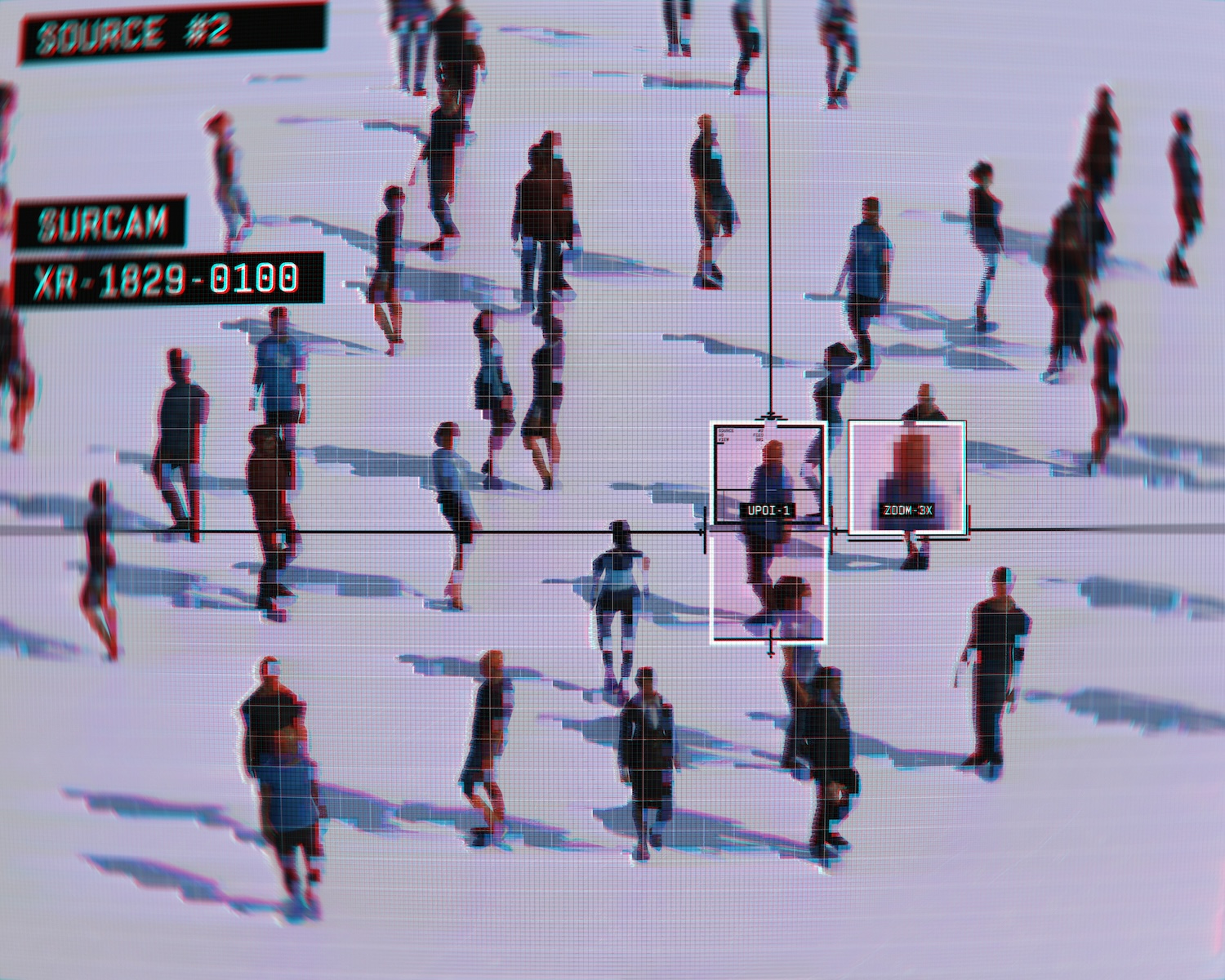

CCTV systems have become a critical part of modern security operations. Businesses, transportation providers, educational institutions, healthcare facilities, municipalities, and law enforcement agencies rely on live video feeds to improve situational awareness, deter crime, and support investigations.
However, as camera networks expand and video analytics become more sophisticated, privacy concerns are growing alongside them. Live CCTV feeds often capture faces, vehicle registrations, employee activity, customer behavior, and countless other forms of personally identifiable information (PII). In many jurisdictions, organisations must balance security objectives with privacy obligations under regulations such as GDPR, state privacy laws, and industry-specific compliance frameworks.
The challenge is clear: how can organisations benefit from real-time surveillance without exposing sensitive personal data?
The answer lies in privacy-enhancing technologies and operational controls that anonymise individuals while preserving the value of the video itself. Here are seven proven methods organisations are using to anonymise live CCTV feeds securely.
1. Implement Real-Time Face Blurring
Face blurring remains the most widely used method of live video anonymisation.
Modern computer vision systems can automatically detect human faces as they appear within a camera’s field of view and immediately apply a blur, pixelation effect, or privacy mask before footage is viewed by operators or transmitted elsewhere.
Unlike traditional post-processing workflows, real-time face blurring protects privacy from the moment footage is captured. This approach is particularly useful in public-facing environments such as:
- Retail stores
- Airports
- Transit networks
- Hospitals
- University campuses
- Corporate facilities
The biggest advantage is that operators can still monitor activity and identify incidents without accessing personal identities unnecessarily.
Advanced solutions can also maintain anonymisation even when individuals turn their heads, wear hats, enter crowded scenes, or move rapidly across the frame.
2. Automatically Obscure Licence Plates
Vehicle registration numbers are often overlooked when organisations discuss video privacy.
Parking facilities, traffic cameras, loading docks, distribution centers, and roadside surveillance systems routinely capture thousands of licence plates every day. Depending on the jurisdiction and context, these identifiers may qualify as personal data.
AI-powered licence plate detection can automatically identify and obscure registration numbers in real time while leaving the rest of the vehicle visible for operational monitoring.
This allows organisations to:
- Monitor traffic flow
- Track vehicle movement
- Improve site security
- Analyse parking utilisation
without unnecessarily exposing driver information.
Many privacy-focused surveillance deployments now combine face and licence plate anonymisation to create comprehensive protection across both pedestrian and vehicle activity.
3. Use Dynamic Privacy Masking Zones
Not every privacy risk comes from a person’s face.
Many CCTV environments contain sensitive areas that should never be visible to operators or analytics systems, regardless of who enters the scene.
Examples include:
- Residential windows
- Employee workstations
- Computer monitors
- Medical treatment areas
- Cash registers
- Private offices
Dynamic privacy masking allows organisations to permanently obscure predefined sections of a video feed.
Unlike simple black boxes applied during editing, modern masking solutions can adapt to camera movement and zoom levels, ensuring sensitive zones remain protected even as camera positions change.
This method is particularly valuable for organisations operating cameras in mixed public-private environments.
4. Deploy AI-Powered Object Detection and Redaction
Privacy risks extend well beyond faces and licence plates.
Live CCTV feeds frequently capture:
- Identity badges
- Documents
- Mobile phone screens
- Credit cards
- Medical records
- Whiteboards
- Computer displays
Modern AI models can identify many of these objects automatically and apply privacy protections before exposure occurs.
This represents a significant advancement over older surveillance systems, which typically focused only on facial recognition or motion detection.
Pimloc’s Secure Redact, for example, supports automated detection and redaction across multiple categories of sensitive information. With capabilities including audit logging and workflow controls designed to support both operational transparency and regulatory compliance, Secure Redact helps organisations manage privacy risks that traditional CCTV anonymisation tools often miss.
As organisations increasingly rely on video for operational intelligence, multi-object redaction is becoming an important layer of privacy protection.

5. Restrict Access Through Role-Based Permissions
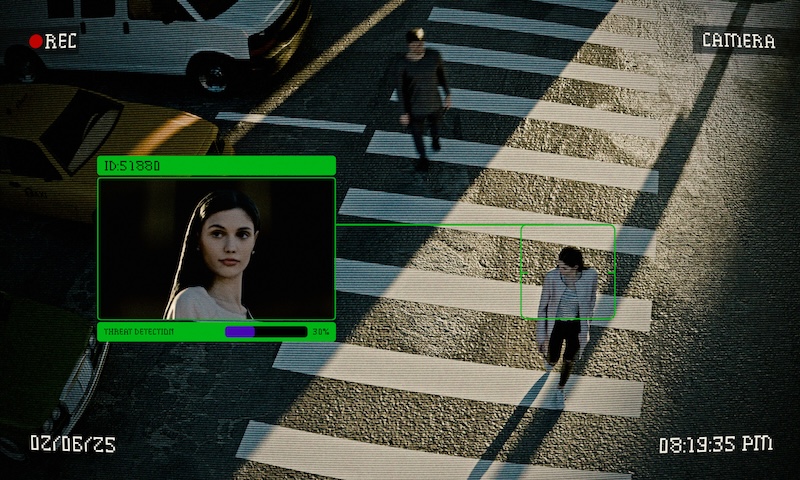
Anonymisation technology is only one part of the privacy equation.
Even fully anonymised footage can create risks if access controls are poorly managed.
Organisations should establish role-based access systems that determine:
- Who can view live feeds
- Who can access original footage
- Who can remove privacy masks
- Who can export recordings
- Who can authorise disclosures
The principle of least privilege remains one of the most effective privacy safeguards available.
Security officers may need access to operational footage, while investigators might require access to original recordings under specific circumstances. Administrative personnel may require no access at all.
Separating these permissions helps reduce both accidental exposure and insider threats.
6. Process Video at the Edge
One of the most effective ways to minimise privacy risks is to anonymise footage before it leaves the camera environment.
Edge processing allows AI models to run directly on cameras, local gateways, or nearby computing devices rather than sending raw footage to centralised servers first.
This approach offers several advantages:
- Reduced exposure of raw video
- Lower bandwidth requirements
- Faster processing
- Improved resilience
- Enhanced privacy controls
By anonymising video before transmission, organisations significantly reduce the number of systems that ever handle identifiable information.
As edge AI technology continues to mature, privacy-preserving CCTV architectures are becoming increasingly practical and cost-effective.
7. Maintain Secure Audit Trails and Governance Controls
Privacy protection does not end once anonymisation has been applied.
Organisations must also be able to demonstrate how footage was handled, who accessed it, and what actions were taken throughout the video lifecycle.
Comprehensive audit trails should capture:
- User access events
- Redaction activities
- Export actions
- Permission changes
- Disclosure approvals
- System modifications
These records support accountability, compliance reviews, and incident investigations.
Many organisations underestimate the importance of governance until an audit, legal challenge, or public records request occurs. Maintaining detailed records helps demonstrate that privacy protections were applied consistently and appropriately.
Why Privacy-First CCTV Is Becoming the New Standard
Historically, surveillance systems prioritised visibility above all else. The more operators could see, the better.
Today’s environment is different.
Organisations are expected to collect only the information they genuinely need while minimising unnecessary exposure of personal data. At the same time, public awareness of privacy rights continues to increase, and regulators are paying closer attention to how video surveillance is deployed.
Privacy-first CCTV strategies allow organisations to achieve both goals simultaneously:
- Maintain security coverage
- Protect personal identities
- Reduce compliance risks
- Improve public trust
- Enable responsible video analytics
Rather than viewing privacy as an obstacle to surveillance, forward-thinking organisations increasingly see it as a prerequisite for sustainable and effective video operations.
Common Mistakes That Undermine CCTV Anonymisation
Even organisations with strong intentions can create privacy risks if implementation falls short.
Some of the most common mistakes include:
- Relying on manual redaction workflows
- Blurring faces but ignoring licence plates
- Failing to secure original footage
- Providing excessive user permissions
- Retaining video longer than necessary
- Using outdated detection models
- Neglecting audit and governance controls
Avoiding these pitfalls requires a combination of technology, policy, and ongoing oversight.
The strongest privacy programs treat anonymisation as an ongoing operational capability rather than a one-time technical feature.

Building a Privacy-First Surveillance Strategy
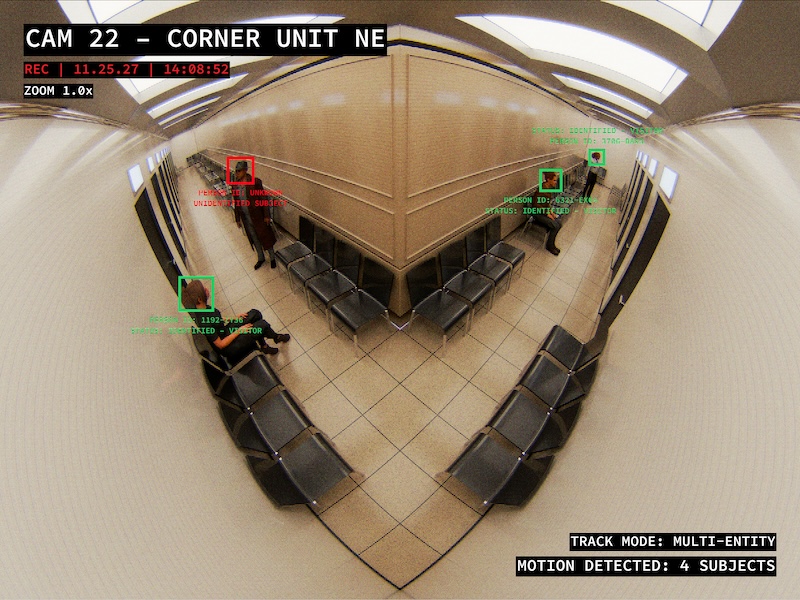
Live CCTV systems generate enormous value for security teams, investigators, and operational leaders. However, that value should not come at the expense of individual privacy.
Organisations that implement real-time face blurring, licence plate anonymisation, AI-powered object redaction, access controls, edge processing, and strong governance frameworks can dramatically reduce privacy risks while maintaining the effectiveness of their surveillance programs.
As video volumes continue to grow and regulatory scrutiny increases, privacy-preserving technologies will become an essential component of modern CCTV operations.
Secure Redact is helping organisations make that transition by combining advanced AI-driven anonymisation with enterprise-grade governance, enabling security teams to extract insights from live video while keeping personal identities protected.