





Selling a home is partly about helping buyers picture themselves living there. Major renovations can make a difference, but they’re not always necessary. Smaller, carefully chosen improvements can make rooms feel brighter, better maintained, and easier to use without turning your pre-sale preparations into a huge project.
From refreshing tired bathrooms to tackling clutter, here are seven practical improvements worth considering before your property goes on the market.
1. Give the Bathroom a Thoughtful Update
Bathrooms attract plenty of attention during viewings. Buyers quickly notice cracked sealant, tired fittings, poor lighting, and signs of damp, so start with maintenance rather than planning an expensive redesign.
Replace discoloured sealant, repair dripping taps, and clean grout thoroughly. If the room still looks dated, changing a mirror, cabinet, shower screen, or light fitting can freshen it up without a full refit.
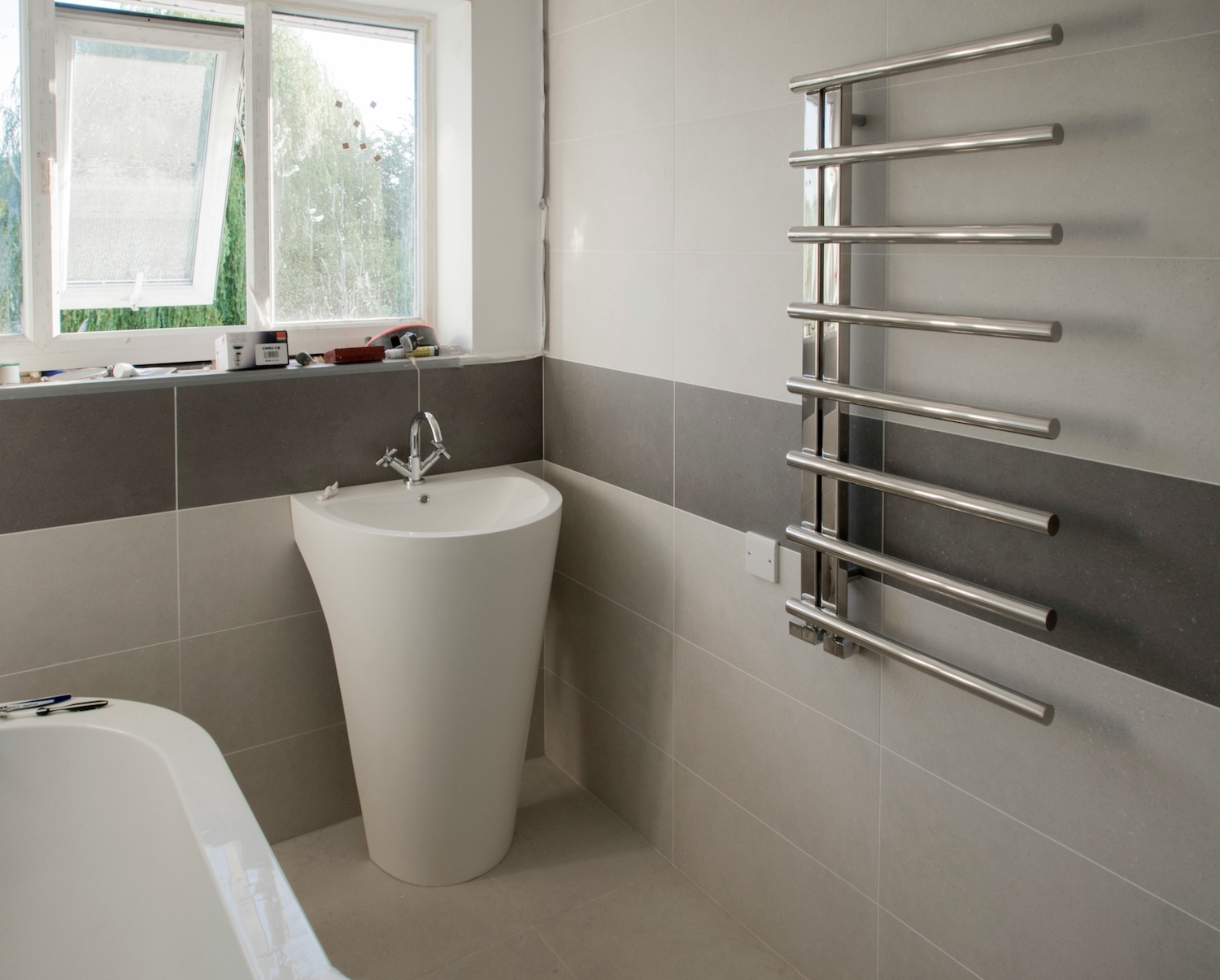
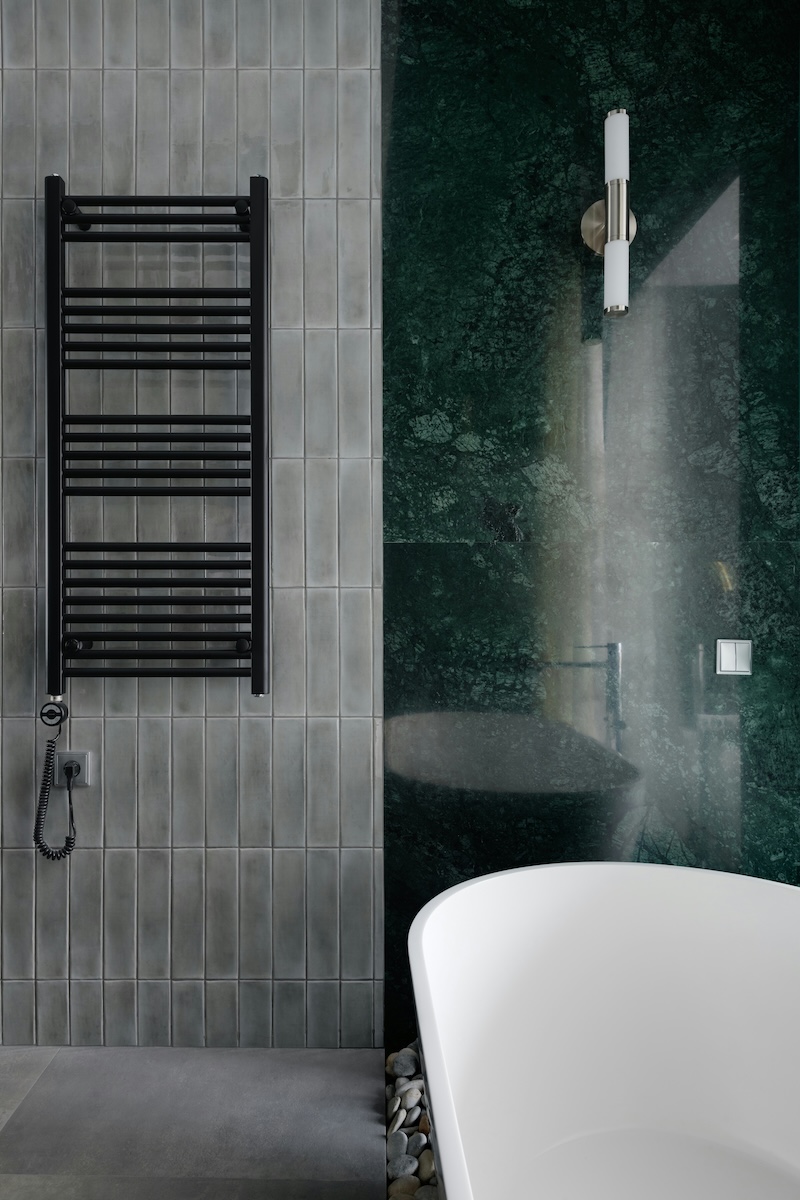
Heating deserves attention too. A bulky or ageing radiator can take up useful wall space in a smaller bathroom. If you plan to replace yours, consider modern towel radiators that can provide bathroom heating while giving towels a dedicated place to hang. Choose a size and design that suits the room rather than simply picking the most decorative option.
Keep the finished bathroom simple. Buyers may have very different tastes, so clean surfaces, practical storage and well-maintained fixtures usually make a better impression than highly personal design choices.
2. Make the Kitchen Feel Ready to Use
A complete kitchen renovation can quickly become expensive, particularly when you are preparing to move. Instead, look for areas where relatively modest work could make the existing kitchen feel better cared for.
Start with the cupboard doors, handles, worktops and splashbacks. Loose handles, damaged hinges and peeling finishes can make the whole room appear neglected. Repair what you can and replace smaller fittings where necessary.
Clear as much as possible from worktops before photographs and viewings. Leaving a few everyday items out is fine, but crowded surfaces can make the available preparation space look limited. Clean inside visible cupboards too. Curious buyers may open them to judge how much storage the kitchen offers.
3. Check the Heating Before Viewings Begin
Buyers are unlikely to appreciate walking into a cold house on a chilly viewing day. More importantly, obvious problems with the heating system may leave them wondering what other maintenance jobs await them.
Test radiators throughout the property and deal with straightforward problems before marketing the home. Also check thermostats and heating controls. If something appears faulty and you are unsure how to repair it safely, call a qualified professional rather than attempting complicated heating work yourself.
It also helps to look at the condition of visible radiators. Peeling paint, rust marks and dust can make otherwise tidy rooms look poorly maintained. Cleaning them thoroughly or refreshing suitable finishes can improve their appearance.
UK Radiators is one example of a specialist supplier homeowners may encounter when looking at replacement heating options, but any change before a sale should have a practical reason. Spending heavily on replacements that work perfectly well may not be the best use of your budget.
4. Refresh Tired Paintwork
Few jobs can change the feel of several rooms as quickly as painting. Scuffed walls, grubby skirting boards and chipped door frames often become part of the background when you live with them every day. Buyers, however, see the property with fresh eyes.
Walk through your home as though you were attending a viewing. Look around doors, light switches, hallways and other busy areas where marks tend to accumulate.
You do not have to paint every room white. However, very dark, heavily patterned or highly individual colour schemes can distract buyers from the size and shape of a room. A calmer finish can make it easier for them to imagine their own furniture and belongings in the space.
Preparation matters here. Filling obvious holes, smoothing rough patches, and protecting edges will produce a much neater result than rushing through a quick coat of paint.
5. Improve Kerb Appeal
A buyer starts forming an opinion before reaching the front door. That makes the exterior an important part of your pre-sale checklist.
Begin with basic maintenance. Clear leaves, pull weeds, tidy bins and remove anything broken or unused from the front garden. Wash dirty paths and clean the front door, windows and exterior light fittings where appropriate.
Next, check smaller details. A damaged gate, loose house number or overflowing planter may seem insignificant on its own, but several neglected details together can create the impression that maintenance has slipped elsewhere.
Keep improvements proportionate to the property. You do not need elaborate landscaping. A tidy entrance with a clear path to the door often does more for a viewing than an ambitious garden project that requires ongoing care.
6. Make Storage Easier to See
Storage matters, but buyers cannot judge it properly when cupboards are packed to capacity. Decluttering therefore serves a practical purpose beyond making photographs look tidy.
Go through wardrobes, kitchen cupboards, bathroom cabinets and built-in storage before viewings begin. Pack away belongings you will not need before the move, donate unwanted items and dispose of anything that has simply accumulated over time.
Don’t solve the problem by pushing everything into a garage or spare room. Buyers will want to assess those spaces too. If necessary, use labelled boxes and arrange them neatly so that floor space and storage areas remain visible.
7. Finish the Small Maintenance Jobs
Minor faults can become surprisingly distracting during a viewing. A door that sticks, a loose handle or a missing light bulb can pull attention away from a room’s better features.
Make a list of unfinished jobs and work through them systematically. Check doors, handles, switches, taps, cupboard hinges and visible sealant. Replace failed bulbs and deal with obvious cosmetic damage where practical.
Don’t try to conceal significant defects with surface-level fixes. If a problem requires professional attention, get suitable advice. Straightforward maintenance is about presenting a well-cared-for property, not hiding issues from prospective buyers.

Final Thoughts
Preparing a property for sale does not have to mean rebuilding it for the next owner. Focus first on maintenance, cleanliness and the areas buyers notice most. Kitchens and bathrooms should feel functional, heating should work properly, storage should be visible, and the exterior should create a tidy first impression.
Work through the property room by room and prioritise changes that improve its condition or usability. A home that feels clean, cared for and easy to move into gives buyers fewer distractions and more opportunity to imagine making it their own.