





Workplace culture doesn’t usually “break” overnight. It drifts. Small compromises stack up—one rushed hire, one ignored complaint, one leader who gets rewarded for results while leaving a trail of burnt-out colleagues behind. Before you know it, the culture that once felt energising starts to feel heavy, political, or simply indifferent.
A culture reset isn’t about trendy perks or rewriting a values poster. It’s about restoring trust, clarity, and healthy ways of working—so performance becomes sustainable again. If you’re wondering whether things have slipped, here are the signals I look for.
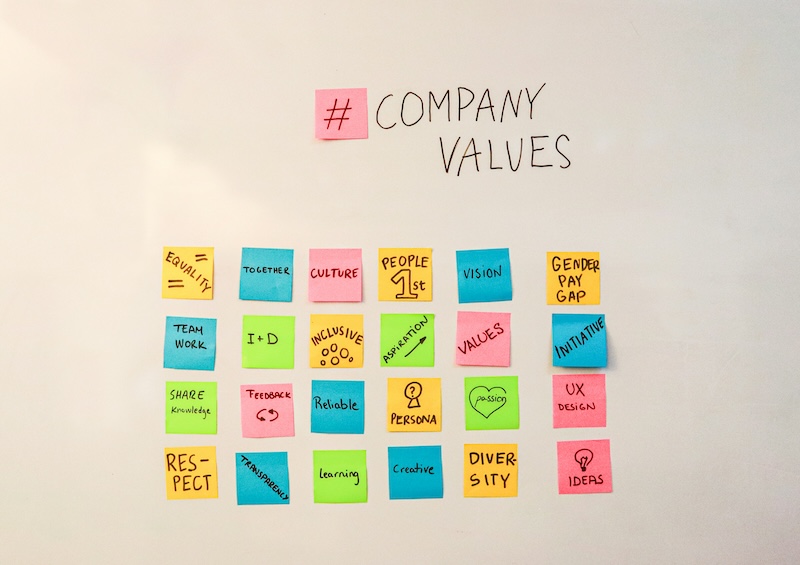

Why culture problems show up as operational problems
Culture is the invisible operating system of your organisation. When it’s healthy, decisions get made quickly, feedback flows, and people feel safe to raise issues early. When it degrades, the symptoms often look “practical” rather than cultural: slow delivery, poor cross-team handoffs, uneven standards, rising attrition.
The trap: treating culture like a morale project
Many companies respond to cultural strain with surface fixes—an engagement survey, a wellbeing week, a town hall. Those aren’t bad tools, but they can become a way to avoid the real work: identifying which behaviours are being rewarded, tolerated, and quietly punished.
A reset starts with patterns, not personalities
If you’re blaming “a few difficult people,” you’re probably missing the system that enables them. Culture resets begin by spotting repeatable patterns: where decisions stall, where conflict goes to fester, where accountability is fuzzy, where people stop saying what they think.
At this stage, some leadership teams bring in an outside lens to run structured listening, map friction points, and help translate findings into practical behaviour change. If you’re exploring that route, this kind of cultural transformation consulting for businesses can be useful—especially when internal leaders are too close to the problem (or too overloaded) to diagnose it cleanly.
The 10 signs your workplace culture needs a reset
Below are the most common signals—especially when several show up together.
- 1) People have stopped speaking up in meetings. Not because everything is fine, but because they’ve learned it’s safer to stay quiet. Watch for “agree-and-disappear” behaviour: quick alignment in the room, followed by slow execution and side conversations afterward.
- 2) Values are referenced only in onboarding—or not at all. When values don’t guide decisions (hiring, promotions, priorities), they become décor. If people roll their eyes when values are mentioned, you’ve got a credibility gap.
- 3) Psychological safety varies wildly by team. One manager runs a high-trust environment; another rules through fear or sarcasm. Inconsistent micro-cultures create a lottery: people don’t leave the company, they leave the manager.
- 4) Blame shows up faster than problem-solving. In healthy cultures, the first question is “What happened?” In unhealthy ones, it’s “Who did this?” The result is predictable: people hide issues until they become expensive.
- 5) High performers are burning out—or quietly exiting. When your most capable people start withdrawing, it’s rarely about workload alone. It’s often the emotional tax of dysfunction: unclear priorities, constant rework, or having to compensate for poor standards elsewhere.
- 6) Conflict has gone underground. Disagreement isn’t the problem; avoidance is. If feedback is only delivered in private, or if “nice” has become code for “we don’t challenge,” innovation and accountability will suffer.
- 7) You’re seeing meeting inflation and decision paralysis. Too many meetings, too many stakeholders, too little ownership. That’s a cultural signal: a lack of trust, unclear authority, or fear of being blamed for a call that doesn’t work out.
- 8) Promotions reward output, not behaviour. If someone hits targets while being toxic, and they still get promoted, the culture learns a simple lesson: results matter more than respect. Expect your standards to erode quickly after that.
- 9) Cross-team work feels like negotiating a treaty. Excessive handoffs, defensiveness, “not my job” boundaries, and constant escalation point to missing shared goals and weak internal service norms.
- 10) Your employer brand doesn’t match the lived experience. If recruitment messaging promises growth, flexibility, and empowerment, but employees report micromanagement and chaos, trust collapses. Glassdoor reviews, exit interviews, and referral rates usually expose this gap early.

What to do next: a practical culture reset (without theatrics)
A reset doesn’t require a dramatic relaunch. It requires clarity, consistency, and follow-through—especially from leaders.
1) Run a listening phase that people can trust
Skip the generic “How engaged are you?” survey as your only input. Use multiple channels: small-group listening sessions, anonymised prompts, and structured interviews across levels. Most importantly, tell people what will happen with what you hear. Nothing erodes trust faster than collecting feedback that disappears into a slide deck.
A useful lens is to ask:
- Where do we lose time and energy?
- What behaviours get rewarded here in practice?
- What do people avoid saying out loud?
2) Name the few behaviours that must change—and make them observable
Culture improves faster when you move from abstract values to specific behaviours. “Be accountable” is vague. “Own the next step and the deadline in writing” is observable. Define 3–5 “non-negotiable” behaviours for leadership first, because employees watch what leaders do more than what they announce.
Then tie those behaviours to real mechanisms:
- performance reviews and promotion criteria
- meeting norms and decision rights
- how conflict and underperformance are handled
3) Fix the system that’s driving the behaviour
If you want collaboration but reward individual heroics, you’ll get heroics. If you want quality but set impossible timelines, you’ll get shortcuts. Align workload, staffing, incentives, and decision-making so the desired culture becomes the easiest path—not the hardest.
Finally, communicate progress like an adult: what you learned, what you’re changing, what will take longer, and how people can hold leaders accountable. That transparency, more than any slogan, is what makes a reset credible.
Culture doesn’t need to be perfect. It needs to be healthy enough that smart people can do good work without carrying unnecessary friction. If several of these signs felt uncomfortably familiar, that’s not a reason to panic—it’s a reason to act while the fix is still within reach.